Author: wpusername7066

  • Have You Ever Tried A Weighted Jump Rope?

    Have You Ever Tried A Weighted Jump Rope?

    Jump ropes have been part of children’s play for years. They’ve also been used by athletes for training. Today, jump ropes are standard equipment at the gym. You’ll see them in Pittsburg, California, and around the country. For training, most people use a traditional jump rope, often called a speed jump rope. Speed jump ropes provide agility, endurance training and agility. There is another type of jump rope used for training. It’s a weighted jump rope. When you use a weighted jump rope, you get even more benefits.

    Weighted jump ropes burn more calories.

    If weight loss is your goal, consider a weighted jump rope. Traditional jump ropes are made from light plastic, braided cord or wire. They weigh a few ounces. Weighted jump ropes can weigh anywhere from about four ounces, all the way to ten pounds. Some have their weight in the handles, but the best choices have the weight in the rope. You’re moving the weight around you, challenging more muscles, and burning more calories.

    You’ll get a boost to upper body strength and build more muscles using a weighted rope.

    Besides burning more calories, weighted ropes can also build muscle strength. You’re working your upper body harder. You can increase the weight of the jump rope as you get fitter, making it a progressive workout, too. The weight is either in the handles or rope. If you’re considering ones with the weight in the rope, not the handle, you can find them in thick woven nylon and braided steel. It’s highly recommended to learn the technique on traditional speed jump ropes or lighter ropes, then switch to heavier ones once you have the proper technique. Handle-weighted ropes tend to cost less.

    Start with the basics.

    Most people have jumped rope or attempted to jump rope at one time or another. If you haven’t, start simple, it’s harder than it looks. Begin with the basic jump where you bounce on both feet at the same time, then alternate feet, switching feet as you jump, in almost running motion. Do a half minute of the basic jump, a half minute of alternating feet and rest. Repeat the process. After a few sessions, when you feel more proficient, switch to heavier rope. Gradually increase the weight of the rope.

    • A traditional rope—speed rope—provides great cardio and improves lower body strength, weighted ropes work on both lower body and upper body strength.
    • It might seem counterintuitive, but jumping rope is actually low-impact. Compared to high-impact exercises, like running, the feet are not lifted off the ground as high, it can be done on a soft mat or softer surface and you stay on the tips of the feet, rather than on the heels.
    • Like many exercises, modifying your form will work different parts of the body and provide variety. You can cross your feet or arms, do side swings, do jumping jack foot movements, or adjust the width.
    • Always check with your healthcare professional before starting any program of exercise, even jumping rope. Focus on posture and form. Whether you choose a weighted rope or opt for one from a dollar store, jumping rope is a good cardio workout.

    For more information, contact us today at Thrive Fitness!
  • The Best Super Foods To Add To Your Smoothies

    The Best Super Foods To Add To Your Smoothies

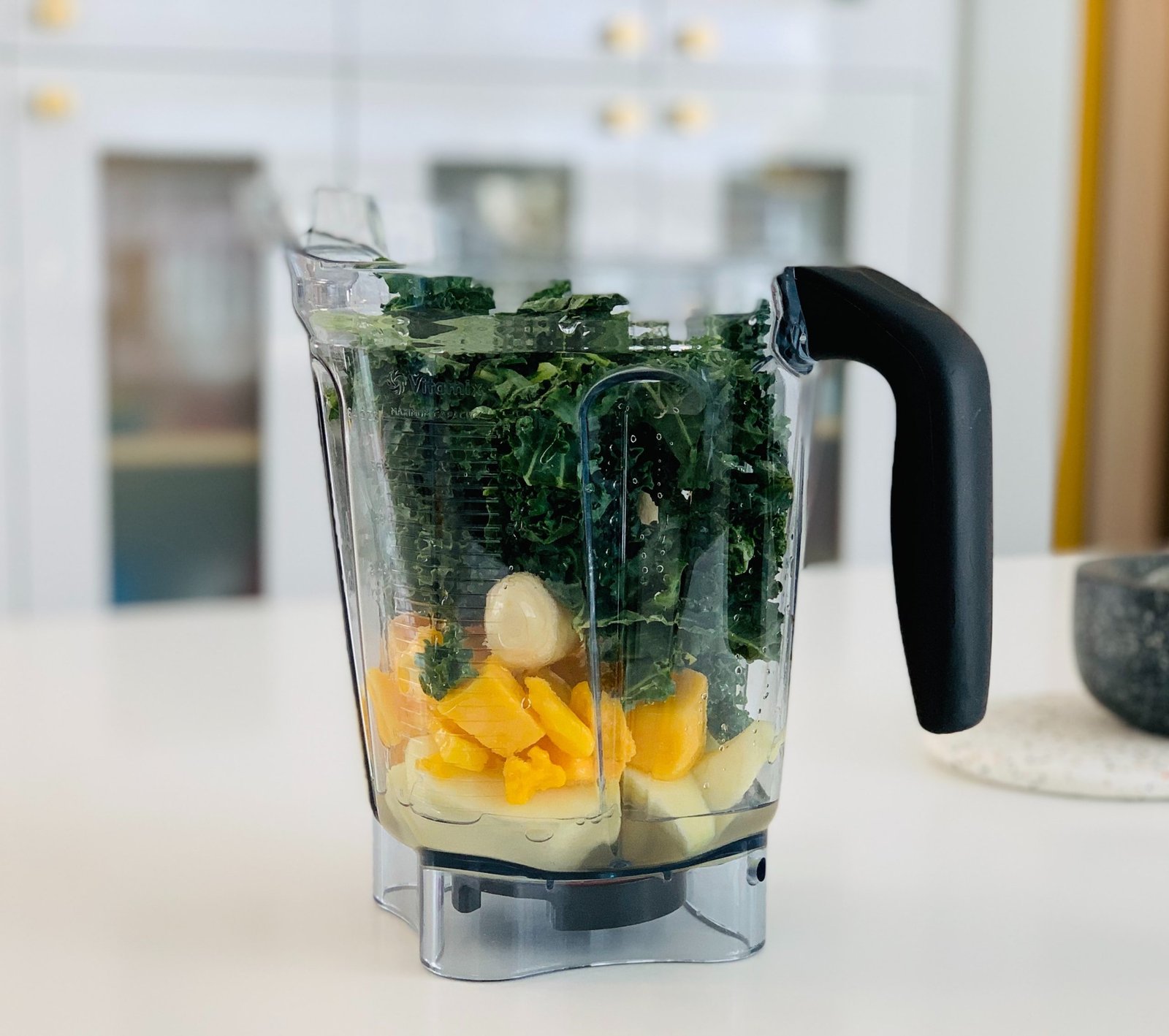
    The world is a busy place. People often skip sitting down to lunch or dinner and eat on the run. Drive-throughs have become the kitchen and the dashboard of a car, the dining room table. It’s led to a malnourished, overweight population. To accommodate a busy lifestyle and focus on health, smoothies made with superfoods have become popular. What constitutes a superfood? There’s no official definition, but it’s generally accepted that a superfood contains an extraordinary amount of nutrition. Beets, kale and avocados are just three, but there are many more.

    Superfoods contain more than just vitamins and minerals, like blueberries.

    They contain phytonutrients, healthy fat and enzymes, too. Many of these have multiple nutrients that work in synergy with the other nutrients to enhance each other’s benefits, providing more than you’d get taking each individually at different times. Blueberries have anthocyanin which is beneficial for reducing the risk of Alzheimer’s, viral infections, high blood pressure, and more. The nutrients work in synergy to make blueberries a superfood. Blueberries make a great addition to a smoothie providing more flavor and health benefits. Blueberries also work in synergy with other foods, like walnuts. A combination of blueberries and walnuts in smoothies can boost brain power.

    For a creamier texture, try Greek yogurt or if you’re vegan, avocado.

    You’ll get protein and healthy fat to fill you up when you add yogurt, plus creamy goodness and probiotics to aid in digestion. It contains calcium, B12, riboflavin and other B vitamins, plus phosphorus, magnesium, potassium and if it’s fortified, vitamin D. If you want a change of pace, but still want a creamy smoothie or are vegan, avocados can also provide that texture, and is also nutrient dense. Avocados are a good source of healthy fat—monounsaturated and omega-3. It helps stabilize blood sugar levels and is high in vitamins B6, C, E and K. It also contains niacin, pantothenic acid, magnesium, folate, and beta-carotene.

    Spice up your smoothie.

    Herbs and spices add flavor and nutrition, but without adding additional calories. Turmeric, cinnamon, ginger and holy basil can boost the health benefits, too. Turmeric has a barely noticeable flavor, but it helps reduce inflammation. Cinnamon adds flavor and can help regulate blood sugar levels, provide heart-healthy benefits and is anti-inflammatory.

    • Beets have high nutritional content and add sweetness, especially when steamed or roasted. Combine a beet with strawberries, kale, a half banana, almond butter a bit of water, and some vanilla for a delicious smoothie packed with nutrition.
    • Treat yourself to an indulgence with chocolate. Cacao powder and its products dark chocolate and cocoa powder have antioxidants and caffeine. Combine them with nuts and fruit for a smoothie that’s perfect for the morning.
    • Green tea and lemon work in synergy. The vitamin C in lemon boosts the ability of the body to absorb the antioxidants of the tea. Adding both to a smoothie can boost your immune system. Powdered matcha—powdered green tea—can also be used.
    • Most people don’t think about adding yeast to their smoothies, but nutritional yeast can add the flavor of cheese that’s perfect for green smoothies. It’s high in B12 and riboflavin.

    For more information, contact us today at Thrive Fitness!
  • Best Exercises To Strengthen Knees

    Best Exercises To Strengthen Knees

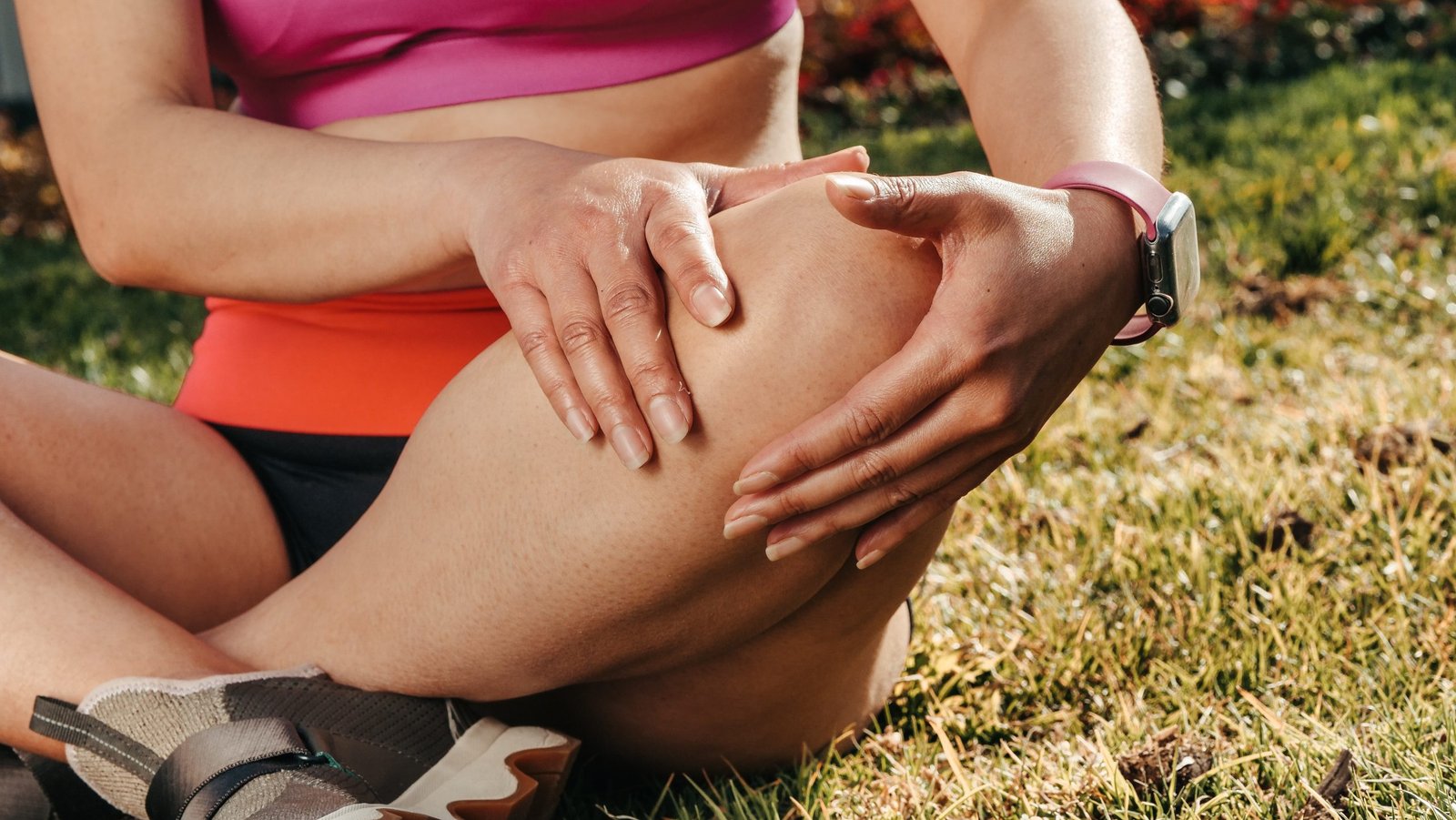
    Knee pain can be debilitating. If you find you just want to stay down when you squat to pick up something off the floor or moan every time you get out of a chair because your knees hurt, it’s time to do something about it. The problem can occur because of excess pressure on the legs, such as being overweight or wear and tear that can cause osteoarthritis, tendonitis and bursitis. Contrary to the actions of most people, rather than resting, doing exercises that strengthen knees can help you move more freely and reduce pain. You’re building the ligaments and muscles around the knees to provide better support.

    Start by warming up the muscles with stretches.

    Stretching can be a big benefit for relieving knee pain. A hamstring stretch, downward dog calf stretch, and side-to-side or front-to-back pendulum stretch are good ways to start. A quad stretch is an excellent exercise to warm the muscles. It can be done standing or sitting. A seated quad stretch may be a starting point for people with painful knees. Sit on the floor with one leg bent and the other straight ahead. Most people can’t lay the extended leg flat. Slowly put pressure on the leg to force the back of the knee to touch the floor. Switch legs. As you become stronger and more limber, after pressing the back of the knee to the floor, lift the foot of the bent knee and press it forward, straightening it, then return to starting position.

    Exercise strengthens ligaments and muscles around the knees and improves lubrication to the joint.

    If you have sudden knee pain, exercise won’t necessarily help. Always check with your healthcare professional before starting any program of exercise. Exercises to relieve knee pain often work all the muscles of the leg. Just walking is one exercise, but you can also do leg raises that don’t put any weight on the knee. Lay on the floor with one leg straight and the other one bent at the knee with feet flat on the floor. flexibility. Lift the extended leg off the floor approximately six inches. Hold it for ten seconds while keeping your abs tight. Slowly lower it. Repeat that 5 times on each leg.

    Standing hamstring curls build leg muscles and strengthen knees.

    You’ll need some support to do this exercise, so stand next to a countertop or large chair or couch. Your legs should be about two inches apart at the knee. Bend your knee on one leg and lift it directly behind you, keeping the other leg straight. Continue to bend it until the calf is at a 90-degree angle to the thigh. Slowly lower it and repeat two to three times, then switch legs.

    • Flutter kicks done prone or on your back can help strengthen knees, while also working the abs, buttocks and thighs. Flutter kicks in the water are more effective if you have access to a pool.
    • If you’re overweight, losing weight will help relieve joint pain by reducing the pressure on the knees. Doing knee exercises will also increase the calories you burn, but a healthy diet is the best way to shed pounds.
    • Clamshells, step-ups and just getting in and out of a chair repeatedly can engage the muscles around the knees and build strength. Doing a bridge exercise works the core muscles, and strengthens the leg muscles, reducing pressure on the knees.
    • Do calf raises throughout the day. You can also do knee bends and squats to strengthen and reduce pain around the knees. If an exercise is too painful to do, don’t do it. Listen to your body.

    For more information, contact us today at Thrive Fitness!

  • Best Foods To Eat When On The Road

    Best Foods To Eat When On The Road

    Our personal trainers help people learn about good nutrition at Thrive Fitness in Pittsburg, California. By learning to make smarter food choices, eating healthier is easier, even on the road. Whether you’re traveling for a vacation or your work time is spent driving, having access to healthier options can make the difference between weight gain and weight loss, while providing many benefits. Preplanning is important. For those who feel like they live on the road because their job requires a lot of traveling, it’s even more important.

    Your planning depends on the length of the trip.

    Are you traveling for the day, taking a weekend trip, or are your plans even longer? If you’re only spending a day on the road, taking snacks, lunch, and water can become a simple routine. If your travels are longer, it takes more planning. Plan healthy snacks, such as fresh fruit, to eat along the way. By curbing your appetite mid-morning and mid-afternoon, you won’t be tempted to stop for a drive-through snack or fill up your stomach with junk food when you fill up your gas tank. Make sure you have several bottles of water or buy water at one of your stops. Staying hydrated should be a priority.

    Investigate restaurants you’ll be passing at mealtime.

    If your trip is longer or you’re traveling for business, eating in a restaurant with clients may be mandatory. Do some research. Many restaurants have online sites that display their menus. Look for salads and ask for dressing on the side. For the main dish, select grilled options. Even fast food restaurants may offer these types of food. If everything says breaded and fried, avoid the restaurant.

    You don’t have to take a week’s worth of food if your trip is longer.

    Some food travels well, like nuts and trail mix, while others are more difficult because they require a cooler. You can have both if plan. Not everything needs to come from home if your trip is long. Look for local farmer’s markets or groceries along the way and choose rooms with a refrigerator and ice machine. Prepare the next day’s healthy snacks in your room at night. Every night replenish your cooler.

    • Avoid sugary drinks and colas along the way. Opt for unsweetened iced or hot tea, coffee, or water. If you have a special preference for hot tea, such as green tea, carry some tea bags with you.
    • Yogurt, hard-boiled eggs, hummus, and veggies all travel well in a cooler. If you choose yogurt, get full-fat, live bacteria yogurt and add fruit. Low-fat yogurt often has sugar and additives to make it palatable.
    • Plan a wide variety of snacks and meals to ensure you get all the macronutrients. Cubed cheese, raw veggies, a bran muffin, yogurt, whole grain crackers, and fresh fruit are some examples.
    • Longer road trips are hard on the body. Stop every hour and stretch your legs for a few minutes. It may seem like a hassle that will slow you down, but if you arrive at your destination a few minutes later, but healthier, it’s worth it.

    For more information, contact us today at Thrive Fitness!
  • What Happens When You Eat Too Much Sugar?

    What Happens When You Eat Too Much Sugar?

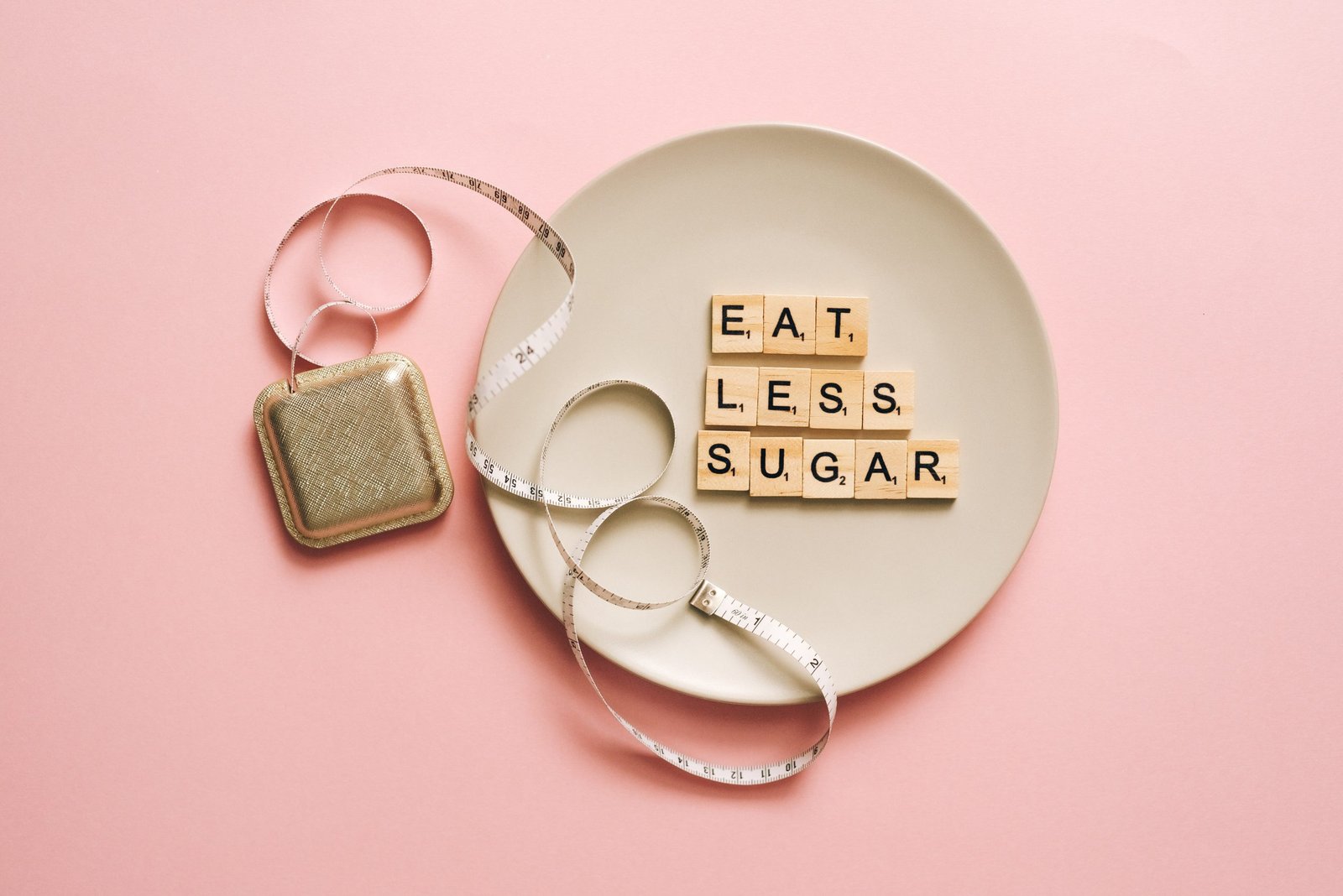
    You don’t have to consume an ooey-gooey cheesecake brownie to eat too much sugar. Sugar is in almost everything these days. It’s in ketchup, granola, chocolate milk, and low-fat yogurt. It goes by many names, but they all have one thing in common. It could be killing you. Food with added sugar won’t cause lasting damage if you eat it occasionally, but in the US, people are consuming 25 ¼ teaspoons a day, far more than the recommended amount.

    Sugar has caused an epidemic of obesity.

    When discussing sugar consumption, it’s always about added sugar. Food with natural sugar, like fruit, contain fiber that slows the absorption of sugar. Sugar consumption in the US averaged 17 ½ pounds a year. By 2011, that average amount increased to 150 pounds and today it’s even more. At the same time, the average weight of US citizens has increased and obesity has become the leading cause of preventable death. One of the biggest concerns about too much sugar is that it leads to excess weight. You don’t have to be obese to have that extra weight affect your heart, blood pressure, and blood glucose level and make other significant and deadly changes.

    Sugar increases insulin levels and causes insulin resistance.

    Too much sugar can cause insulin levels to be high. If they remain high too long, it can cause insulin resistance leading to diabetes and metabolic diseases. When you eat sugar, it goes to your bloodstream and causes the body to send insulin. Insulin then triggers the cells to open to uptake the glucose for energy. At some point, flooding the body with insulin causes the cell’s reaction to stop working and not open. The body then triggers more insulin since blood sugar levels are still high. It becomes a vicious cycle affecting the pancreas, eventually causing metabolic disease and diabetes.

    Sugar might be why you have so many colds or frequent bouts of flu.

    Sugar affects the immune system. Besides preventing illnesses, like colds or flu, it also helps prevent cancer by removing damaged cells. The immune system is boosted by vitamin C, and vital for proper cell functioning. The chemical composition of glucose—blood sugar—is similar to vitamin C. When you eat sugar, it changes to glucose in the body and competes with vitamin C to enter the cell. That lowers immunity and makes the body more vulnerable to disease.

    • High consumption of sugar can lead to high blood pressure. Like fat and salt, consuming sugar can cause blood pressure to rise if it’s 25% higher than the 6 tsp daily recommended amount for women or 9 tsp for men.
    • Too much sugar can lead to mental issues. Mood swings, depression, and anxiety can be triggered when you consume too much sugar. Sweet wines, soft drinks, and fruit juice can be culprits.
    • Glucose can attach to collagen and elastin, creating AGEs—advanced glycation end products. That causes premature aging of internal organs and skin. It causes more than just wrinkling, but also serious conditions.
    • Too much sugar impacts the whole body. It can cause gallstones, arthritis, poor eyesight, dental carries, and varicose veins. Cut out food with added sugar for a month and you’ll feel better, look better, and have healthier vitals.

    For more information, contact us today at Thrive Fitness!

  • How Much Water Should You Drink Every Day?

    How Much Water Should You Drink Every Day?

    Your body requires water to survive. How much water you need to drink every day is the real question. You can last three weeks without food, but just three to four days without water. If you’re guzzling gallons of water constantly in hopes of becoming healthier, you need to take a step back and re-evaluate. Too much water can cause water intoxication creating issues with your kidneys and electrolytes. The amount of water you need depends on many things, such as how active you are, your age, body weight, sex, and climate.

    Water plays an important role in your body.

    The percentage of water in your body varies by age. Newborn infants are almost 75% water in their first few months. As you age, the percentage of water drops and is at its lowest in the senior years. Fatty tissues contain less fluid than lean muscle tissue, so body composition plays a role. While the average female body between 12 and 18 ranges between 49 and 63% water, when older than 51, the range changes from 39-57%. The brain, muscles, and kidneys are over 70% water, while the lungs are over 83%. It’s a building block for the body and aids in almost all functions.

    The larger you are and your sex makes a difference.

    It makes sense since larger people require more calories and more nutrients. It’s one minor reason women require more water than men. The main reasons have to do with female hormones. High estrogen and progesterone levels during the menstrual cycle reduce the watery part of the blood—the plasma. Excess progesterone can affect blood water levels. Aldosterone is the hormone that aids in regulating blood pressure and manages levels of potassium and sodium in the blood which impacts blood volume. Progesterone competes with it for aldosterone receptors.

    Your body temperature, activity, and climate make a difference.

    If the room is hot or you’re working out at peak intensity, you’ll sweat. You have to drink more water than normal to replenish the fluid you lost. Your weight plays an important role, too. One simple way to compute how much water is to take 2/3 of your body weight and use that number as the number of ounces required. A 120-pound woman would require about 80 ounces of water based on those calculations. If you’re extremely active or the weather is warm, drink extra water. People at higher elevations also need more water and if you’re vomiting, have a fever or diarrhea, or are pregnant and lactating additional liquids are necessary.

    • Mayo Clinic suggests men drink 15.5 cups of fluid and women drink 11.5 cups. That doesn’t necessarily mean just water. It can come from other beverages and food. Food accounts for 20% of the body’s fluid intake.
    • If you’re having problems drinking enough water, schedule water consumption. Drink a glass before each meal and carry a bottle of water to sip frequently. Drink a glass of water an hour before your workout.
    • Drinking more water can aid in preventing kidney stones. It can also help people with achy joints. The extra water increases the fluid in the joints to lubricate them.
    • Inadequate water or dehydration can cause irregular heart rhythms and breathing problems. Seniors dehydrate faster. Even mild dehydration can cause confusion in seniors that’s similar to dementia.

    For more information, contact us today at Thrive Fitness!

  • Why You Can’t Out-Exercise A Bad Diet

    Why You Can’t Out-Exercise A Bad Diet

    Why would anyone in Reno, NV, want to change their diet when they only need to exercise to get into shape? Nobody would want to if that were true, but it isn’t, or you’d see people jogging with a donut hanging out of their mouths. You can’t out-exercise a bad diet. No matter how much you exercise, there are consequences for an unhealthy diet. You’ll still gain weight, have health issues, or be unable to build muscle mass. Eating healthy builds the foundation for a healthy body.

    Exercise is important for weight loss but won’t burn enough calories.

    You may be running 20 miles a day, but if you finish your run by eating a small meat lovers pizza and two beers, you’ll gain weight. You burned less than 400 extra calories on your run but consumed over 1600 calories in just one meal. Add a couple of triple chocolate brownies for dessert, and you’ve eaten a day’s calorie allowance or more in just one meal. Not only will you gain weight if you eat too many calories, unless you eat more nutritious meals the rest of the day, but it can also affect your health.

    Poor eating habits may wipe out all the health benefits you receive by exercising.

    Both diet and exercise are important for a healthy lifestyle. Nutrition is the foundation. A nutritious diet provides the building blocks necessary to be healthy. If you’re eating junk food, you’re eating empty calories. In other words, junk food is junk. Highly processed food and food with added sugar fall into that category. If you aren’t eating a wide variety of whole food—less processed food—you increase your risk of chronic diseases.

    It’s not just what you eat that makes a diet healthy, it’s what you don’t eat, too.

    Unhealthy diets involve more than just consuming too many calories. It can increase your intake of sugar, trans fats, saturated fat, and sodium. All those things can lead to more than just obesity. They can lead to high blood pressure, a poor cholesterol profile, and an increased risk of stroke, heart disease, and diabetes. Food with added sugar causes inflammation that can cause clogged arteries, cancer, diabetes, and heart disease. It can shorten your life and negatively affect your quality of life.

    • You need more than the macronutrients, protein, fat, and carbohydrates to prevent problems. You also require micronutrients, such as vitamins, minerals, and phytonutrients. Whole foods provide the nutrients in the right amounts to work in synergy.
    • You don’t have to overeat to have a bad diet. A restrictive diet can also affect you. Eating too few calories or making poor choices can cause a loss of muscle mass and a lack of energy.
    • A bad diet can also affect your athletic performance. It provides the materials to build muscles and keep the body functioning at optimal performance, and exercise enhances how the body functions.
    • Both a healthy diet and regular exercise are part of a healthy lifestyle. Both are important. Choose a colorful array of fruits and vegetables, a lean protein source, and healthy fat to be your fittest.

    For more information, contact us today at Thrive Fitness!
  • Good Carbs Vs Bad Carbs

    Good Carbs Vs Bad Carbs

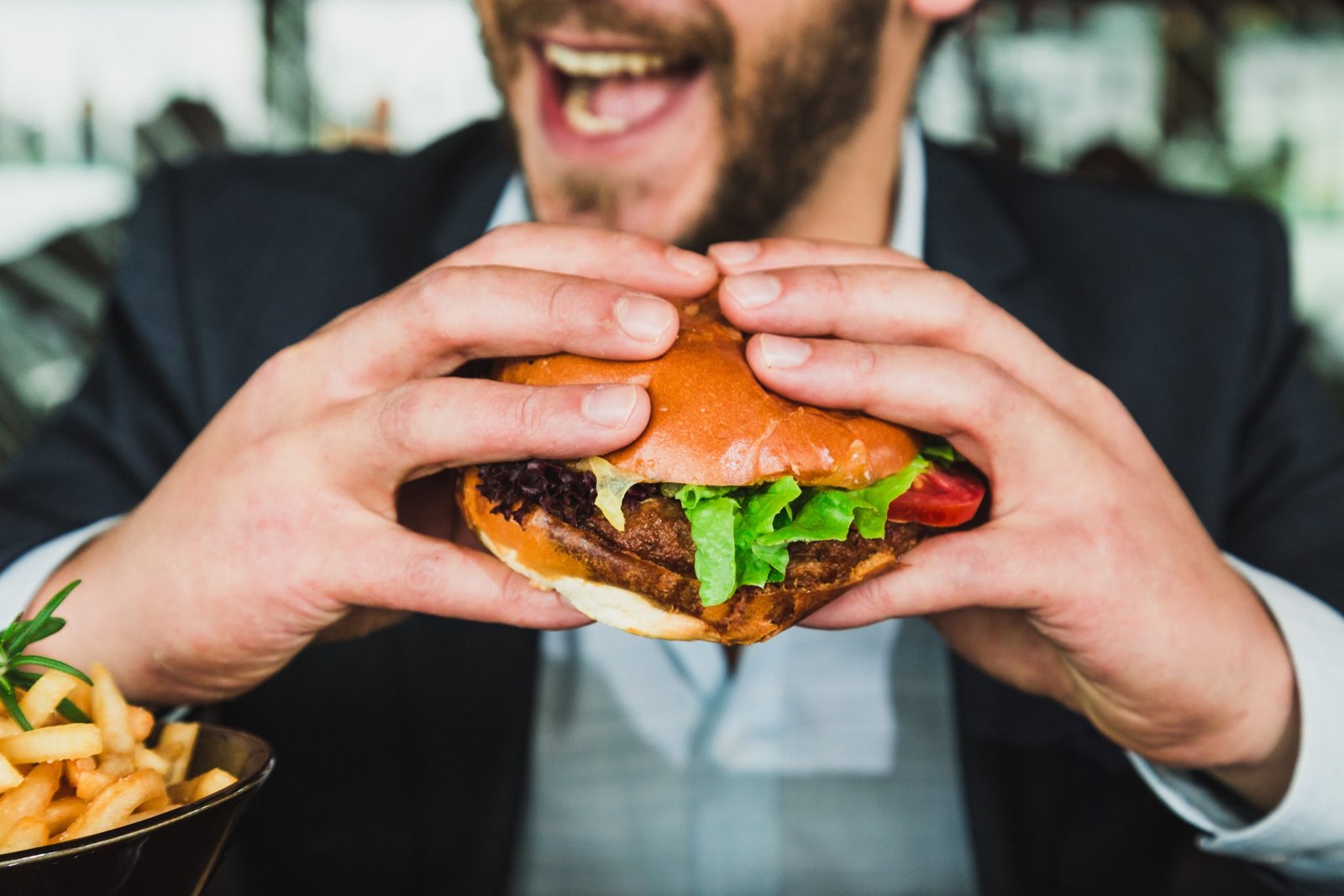
    Are you cutting back on carbs to lose weight? It’s important to know the best ones to eliminate. There are good carbs and bad carbs. Good carbs play a crucial role in healthy eating. Carbohydrates are macronutrients that provide energy. You get carbs from plant-based sources, like vegetables, fruit, and whole grains. There are simple carbs and complex carbohydrates. Simple carbs are easier to digest and complex carbohydrates are, as the name states, more complex and take longer to digest.

    Simple carbs release sugar quickly into the bloodstream.

    Simple carbs, such as sugar, or highly refined or processed food often contain little nutrition but are loaded with calories. They digest fast, providing a burst of energy. What goes up must come down and just as quickly, your energy levels drop. The sudden increase of glucose—blood sugar—creates a dramatic increase in insulin. When that happens too often, it can cause insulin resistance, weight gain, and other health issues. Besides sugar or food with added sugar, bad carbs are in white bread, white rice, and other highly processed foods.

    Good carbs are often in the produce section of the grocery.

    Fruits and vegetables are complex carbohydrates containing fiber, vitamins, minerals, and phytonutrients. The fiber in good carbs causes them to move slower through the digestive process. Fiber also blocks some of the sugar from being absorbed. The slow digestive process maintains a steady energy level without spikes or excess glucose pumped into the body. Whole grains, legumes, vegetables, and fruit comprise the selection of good carbs. They fill you up, are lower in calories, provide a wide variety of nutrients, and keep you feeling full longer.

    You need carbohydrates in your diet, and eating the right ones can help you lose weight.

    Your body needs energy. Carbohydrates provide it. Knowing the difference between healthy—good carbs and unhealthy—bad ones can make all the difference in the world whether you lose weight and are healthy. Unfortunately, much of the food you find in groceries and at fast food restaurants contains mainly bad carbs. If you’re unsure whether you’re making a good choice, read the label when selecting food at the grocery. You can’t go wrong by choosing whole foods.

    • Eating too many bad carbs can take a toll on your health. It can increase the risk of heart disease, obesity, and type 2 diabetes. It can also lead to the risk of malnutrition and conditions caused by that.
    • When you choose good carbs, you’re choosing food high in fiber. A diet rich in fiber can help prevent constipation and digestive issues. It can improve your gut microbiome that affects many aspects of your health.
    • Eating healthy isn’t about deprivation. It’s about making better decisions when you select food. Instead of grabbing a candy bar as a snack, choose healthier options like apple slices with peanut butter.
    • It’s hard to quit eating food with added sugar, especially since sugar is addictive. It may be uncomfortable for a week or two, but after that, you’ll notice how much better food tastes. Too much sugar dulls the sense of taste.

    For more information, contact us today at Thrive Fitness!
  • Changing The Way You Eat Starts With Psychology

    Changing The Way You Eat Starts With Psychology

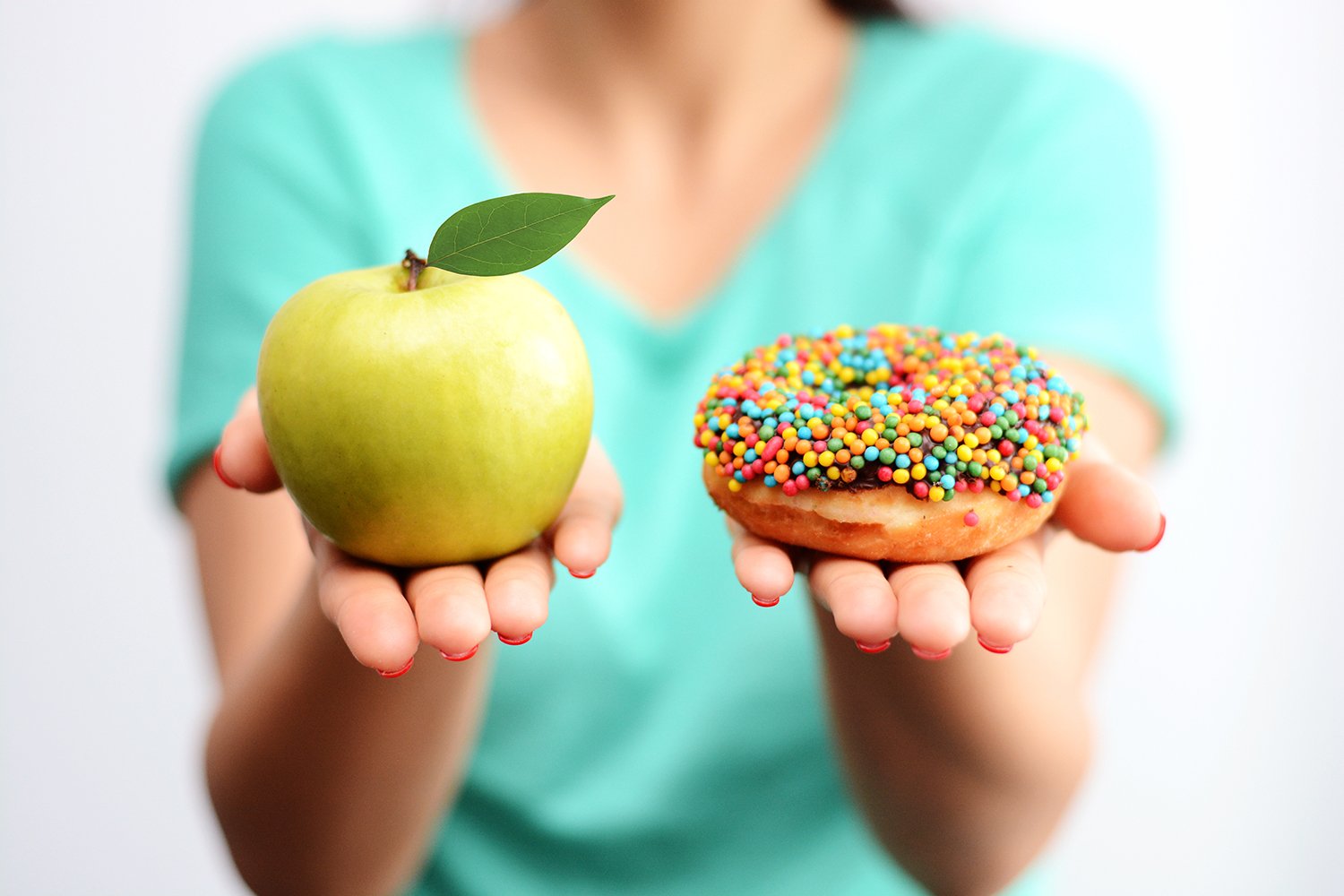
    Changing the way you eat can be difficult. So, why do people want to do it? There are many reasons. Excess weight, a health issue, or feeling out-of-sorts constantly are three. Eating habits are deeply engrained and difficult to change. There is a psychology behind why you choose the food you eat and the reasons you overeat. The first step is understanding those things. Only then can you address the problem.

    Are our brains hardwired to overeat?

    The question of nature or nurture is a much-rehashed debate amongst human behaviorists. One theory on overeating is that it’s in our genes. Part of being human is to avoid pain and seek pleasure. In this case, pleasure means fatty and sugary foods. Our brains have opioid receptors that trigger a dopamine rush providing pleasurable feelings when you consume opioids, alcohol, or sugar. Every time you eat food with added sugar, you feel better but need more each time to maintain the same level of dopamine release. It doesn’t take long before you’re overeating, searching for the magical sugar high.

    Is emotional eating part of your problem?

    Emotional eating is so common there are scenes on sitcoms written around it. One of the characters suffers an emotional roadblock and turns to the solace of a pint of ice cream, or a friend makes them their favorite food to cheer them up. Emotional eating is the reason we label some foods comfort food. You can identify whether you eat emotionally by keeping a food diary with notes about your emotions before eating. Foods with a soft texture are often comfort foods, while crunchy ones link to anger.

    Your mindset might need to change.

    Do you feel deprived if you can’t have a double cheesecake daily or need to switch out cola for water, coffee, or tea? Instead of focusing on everything you’re missing, you can make eating healthy an adventure. Do you hate plain water? Make infused water with fresh fruit, vegetables, or herbs. Changing your attitude is hard, but you can do it by focusing on how your body feels and the taste of healthy food. You’ll be surprised at how sweet fruit tastes once you give up food with added sugar and how much better you feel eating healthily.

    • Challenge yourself by cooking a new healthy recipe once a week. Don’t forget healthy snacks. If you like the taste, keep it. Before you know it, you’ll have recipes for weeks of food you enjoy.
    • Is stress causing you to overeat? Overeating is associated with depression, boredom, anger, and anxiety, but stress is the biggest factor. Eliminate stress without food by exercising, meditating, or other forms of stress relief.
    • Focus on improving your self-image. People with poor self-image tend to have negative eating behavior. Improve your self-image. One study shows that exercise can do that, even before you see any physical change.
    • Make peace with food. There are no bad foods or good foods, just some healthier than others. Changing how you look at food can help you eat healthier. Don’t beat yourself up over what you eat. Eat intuitively and satisfy your cravings with a small amount.

    For more information, contact us today at Thrive Fitness!

  • Does Exercise Help You Lose Fat?

    Does Exercise Help You Lose Fat?

    Many people come to Thrive Fitness in Reno, NV, to lose fat and build muscle tissue. The right type of exercise can help you do that. It helps you live healthier, boosts your energy, and makes it easier to lose weight. All exercise burns more calories, but not all exercises specifically burn fat. For instance, cardiovascular exercises like running burn calories. It breaks down both lean muscle tissue and fat tissue to get those calories. That can make weight loss even harder. Fat-burning exercises build muscle tissue as they burn fat.

    What exercises burn more fat than others?

    Strength training builds muscle tissue as it burns fat tissue. You can use bodyweight exercises, weightlifting, kettlebells, or resistance bands. To increase the calories you burn, make the workout a HIIT workout. HIIT stands for high intensity interval training. It’s not a specific exercise, but a way to do any exercise, including strength training. You alternate between peak intensity and a recovery pace. HIIT workouts burn a high amount of calories in a short period and continue boosting your metabolism for hours after you quit working out.

    Circuit training workouts are also great fat burners.

    No matter what your workout goal is, you still need to do all types of workouts, including flexibility, strength, endurance, and balance. Doing circuit training includes all of those things and does even more. During circuit training, you move from one exercise station to another. Stations are nothing more than a location ready for a specific type of exercise, such as having barbells ready to lift or a treadmill. It’s all about moving from one set of exercises to another with little time between the two. It works a variety of muscle groups and can address all types of exercise.

    Make the workout intense and burn off the hormones of stress.

    When you’re under stress, the brain sends messages to create hormones that prepare the body for fighting or running. If you’re in a life-threatening situation where that’s necessary, it’s a good thing. Most people don’t experience that. Instead, they find themselves under stress in traffic jams, at work, or in some other everyday occurrence that isn’t solved by either. The hormones of stress still signal the body and unless you run, fight, or exercise to work them off, they affect your body. Cortisol is one of those hormones. It’s associated with belly fat. When you do intense training, it burns off the hormones of stress that add fat around your belly, while also burning calories.

    • HIIT workouts cut your workout time. You’ll benefit more or as much from a short HIIT workout as you would from a full-length steady-state, traditional session. If you’re short on time, HIIT is perfect.
    • Not only does exercise help burn off the hormones of stress, but it also helps realign hormones that are out of balance. Strenuous exercise is recommended for rebalancing hormones at menopause.
    • No matter how much you workout, you won’t burn fat if you’re not adjusting to your diet. A healthy diet that’s high in protein can help you burn fat as you build muscle tissue.
    • Getting adequate sleep also makes fat loss easier. When you lack sleep, your body produces more ghrelin—the hunger hormone—and less leptin—the hormone that makes you feel full. That makes it harder to keep your diet in check.

    For more information, contact us today at Thrive Fitness!