
Category: Uncategorized

  • How To Eat Sustainably

    How To Eat Sustainably

    You hear a lot about sustainable energy, but you can eat sustainably, too. The good news is that you don’t have to have a special type of food. Sustainable eating is simply healthy eating using food that is less processed. It’s grown following good farming practices that protect the environment. In other words, it’s healthy eating. The food industry emits greenhouse gas that’s equal to 33% of all emissions.

    How is the food grown or created?

    Farming can benefit the ecology or work against it. Sustainable farming is organic farming. It uses practices that build the soil, keeps pests away, and encourage healthy plants in natural ways without adding chemicals. How do you know if they’re using those practices? The food they grow is labeled organic. While there’s a lot of controversy about whether reducing beef consumption is vital to the environment, there’s little doubt that consuming a diet higher in plant-based food is healthier. More sustainable diets are also healthier.

    Choosing food locally grown also plays a role in sustainability.

    Getting food to the market requires some form of energy, whether you’re transporting the food by train or truck. Why not choose food grown closer to home so it doesn’t have to travel as far? It’s not just more sustainable, it’s healthier. When local farmers grow food, they pick the food in the morning and deliver it to the store. The food is picked at peak ripeness, unlike food that comes at a distance that ripens as it’s transported.

    Packaging and processing play a role in sustainability.

    Plastic food packaging negatively affects Mother Nature. It either doesn’t degrade or releases chemicals into the environment if it does degrade. The worst offenders are highly processed foods. It has all the same issues as whole food, but hundreds of extra steps along the way that affect the environment. If you focus on eating sustainably, you’ll also have a healthier diet.

    • The more people who eat sustainably, the more impact it will have on the environment. It will affect the overall health of individuals as they do. It can help reduce the incidence of obesity, which has become a national epidemic.
    • Consuming a plant-based diet doesn’t mean you have to give up meat or animal products entirely. It just means most of your food will come from plants. Choosing in-season, local fruits and vegetables is an important part of that diet.
    • Consuming a sustainable, plant-based diet can reduce weight, boost energy and metabolism, and reduce inflammation. It’s the healthier way to eat.
    • Meal prep and composting food scraps can help the environment and your pocketbook. Meal prep uses all the ingredients in several dishes so there’s limited waste and no leftovers. Composting returns nutrients to the soil.

    For more information, contact us today at Thrive Fitness!
  • Should You Be Planning A Weekly Menu?

    Should You Be Planning A Weekly Menu?

    Cooking food is a small portion of the effort for dinner. The hardest part of the day is the “What’s for supper?” time. You can take that stress out of your daily schedule when you plan a weekly menu. Most people plan when the weekly sale at their local grocery first appears. They make the menu based on coupons and sales to save money one night, shop for food another, and often cook a week’s worth of meals over the weekend. It has many benefits besides saving money.

    It takes the guesswork out of healthy eating.

    When you’ve stocked your shelves and refrigerator with healthy options, including healthy snacks, you’ve eliminated one roadblock to maintaining a nutritious diet. That’s especially true of snacks, which are normally easy-to-access foods that don’t require much preparation and don’t make you too full. If you have a bowl of cut-up cantaloupe in the refrigerator and no potato chips in the cupboard, you’ll snack on cantaloupe. If you bring home mixed nuts and package them in individual serving sizes, you’ll be more aware of how much you’re consuming. As for meals, wouldn’t it be nice to have a quick answer to the question “What’s for supper?”

    Eat supper before you shop for groceries.

    DON’T shop for groceries on an empty stomach—EVER—whether meal planning or not. Always go immediately after supper or your biggest meal of the day. If you don’t, and like most people, when you checkout there will be a food you didn’t intend to buy, like cookies, cake, chips, or other snack food. When you get home or the next day, wash and prepare fruits and vegetables for storage and easy snacking. If veggies, such as celery, carrots, or broccoli, are cleaned and cut and there’s a prepared dip, it’s a healthy snack or side dish ready to happen.

    Cook on your day off work.

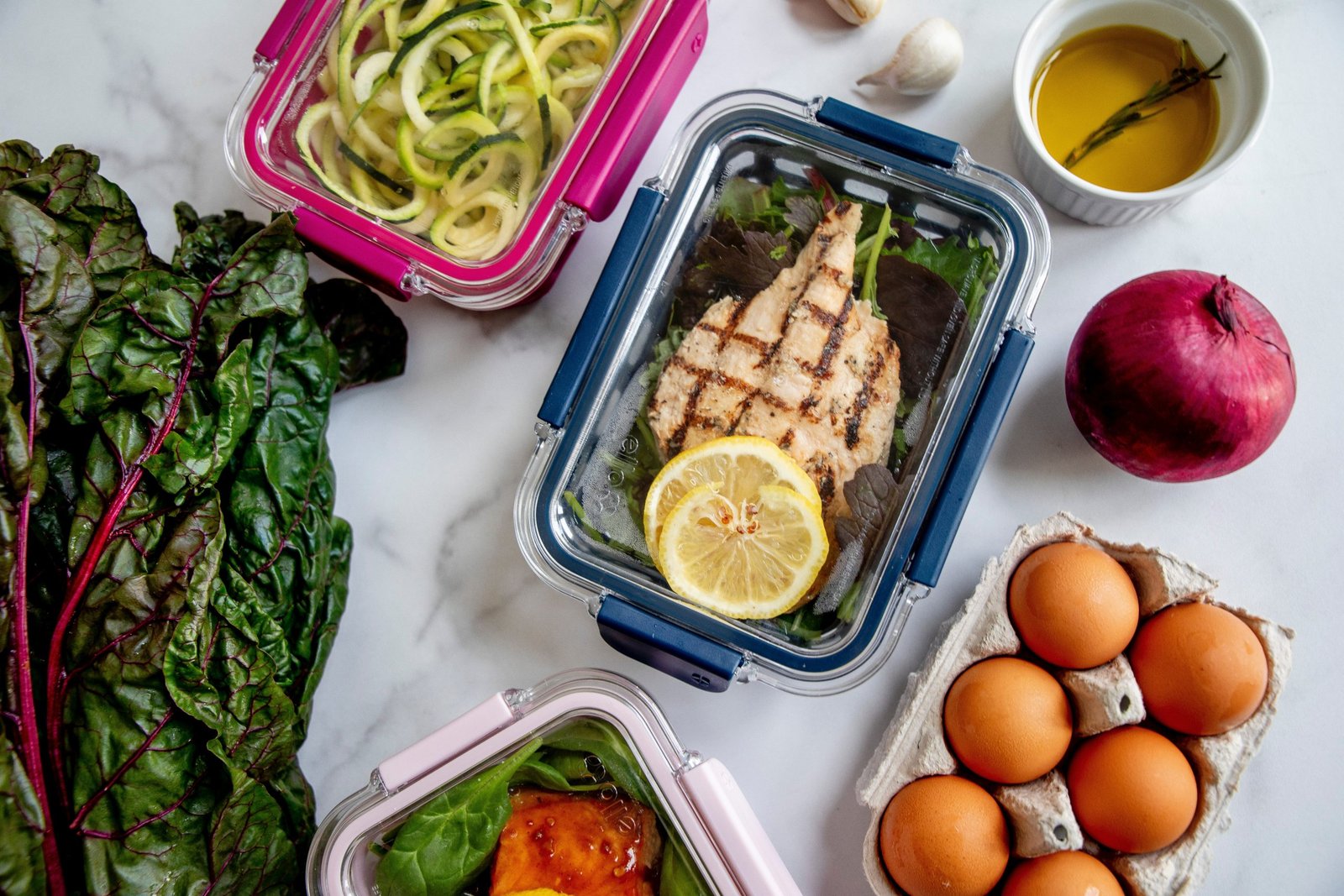
    If you’re working, coming home to prepare supper can be awful. It’s why most people often opt for fast food. Even if you aren’t working outside the home, fixing supper every night is a task. As long as you’re in the kitchen making one meal, make them for a week all at once. A good meal plan uses the same ingredients for many dishes. For instance, baked chicken could be a meal one day, with chicken leftover used for a wrap, salad, soup, or other main dish. Those vegetables and fruits already cleaned and cut are ready for use in salads and soups.

    • You can use the oven to cook several main dishes at once. You’ll spend far less time in the kitchen when you prepare meals ahead. Instapots, slow cookers, the oven, and stovetop can all be used to cut kitchen time.
    • There’s no waste when you plan meals. Food is packed in individual serving sizes and what’s left can be used for other meals. You can even double your recipe and freeze meals for future weeks.
    • Buddha bowls, soups, and salads are great ways to use food not used in other meals. They can be a light dinner or lunch. You can use leftovers for breakfast, too. Veggies like red peppers, spinach, and asparagus combine well with leftover meat and eggs for a breakfast casserole. When you meal plan and precook meals, it saves time and gas, especially if you often opt for carryout. It takes far less time than a drive-through and is far less expensive.

    For more information, contact us today at Thrive Fitness!
  • What’s The Most Important Thing To Know About Glucose?

    What’s The Most Important Thing To Know About Glucose?

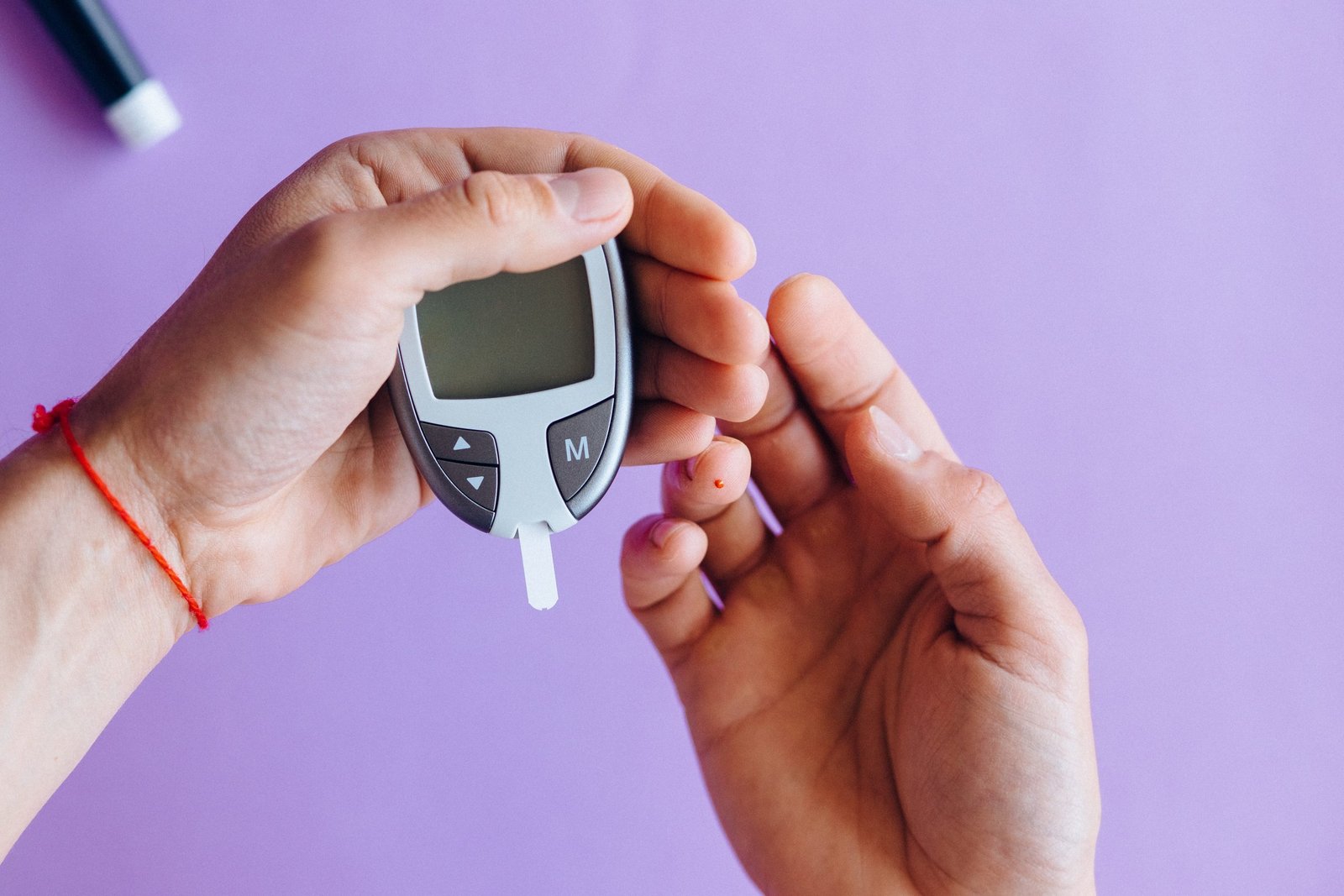
    Your blood glucose levels play a role in how well your body functions. Glucose is another name for blood sugar. It’s the concentration of energy-giving glucose in the blood. A high level of glucose can occur for a couple of reasons. If you didn’t follow your doctor’s orders and ate before your appointment, it can cause a misdiagnosis of high glucose levels. If you followed the doctor’s orders or say you did, and your fasting blood glucose is high, further testing is required. A hemoglobin A1C test is required.

    Why is high blood glucose important?

    When you eat carbohydrates, the food breaks down, creating glucose. It enters the bloodstream by being absorbed through the intestinal walls. Once it’s in the blood, it triggers a reaction that creates and sends insulin into the blood. Insulin is a messenger that tells cells to open and uptake glucose for energy. If it isn’t produced or isn’t effective in doing the job, your blood glucose levels will remain high. If cells don’t respond to insulin and open, it results in insulin resistance. Insulin resistance can lead to type 2 diabetes.

    The danger of high blood glucose levels in the blood comes from damage to blood vessels.

    High blood glucose levels do more than make you thirsty. It can damage blood vessels and increase your risk for other problems. It can lead to an increased risk of heart disease, stroke, or heart attack and cause nerve damage. It can lead to kidney disease or eye disease. If the cells don’t get adequate glucose, it causes the body to use fat as a source of energy, which can lead to ketoacidosis. Diabetic ketoacidosis can lead to illness.

    You can avoid high blood glucose levels and insulin resistance by being proactive.

    Losing weight can help reduce the risk of insulin resistance and diabetes. One study showed that losing 7% of body weight reduced the risk of diabetes by 60%. Increasing physical activity can also help. It improves glucose uptake into the muscles, aiding weight loss and blood sugar reduction. You should choose a healthy plant-based diet, which includes healthy fat.

    • Controlling your carbohydrate intake can help you manage your blood sugar levels. When you consume carbs, make sure it’s complex carbs high in fiber. Simple carbs and sugary treats should not be in your diet.
    • Increasing water intake can help maintain blood sugar levels. Not only does it help prevent dehydration, but it also helps flush out extra sugar via urine. Stick with plain water and avoid sugary drinks.
    • To avoid high glucose levels, choose food with a low glycemic index—GI—and break down slower. Unsweetened Greek yogurt, beans, oats, and non-starchy vegetables are a few with a low GI.
    • Keeping stress levels under control can help keep blood sugar levels in check. The body creates glucagon and cortisol when you’re under stress. They cause blood sugar levels to rise. Yoga, breathing exercises, and meditation can help.

    For more information, contact us today at Thrive Fitness!
  • Are Refined Grains Better Than Whole Grains?

    Are Refined Grains Better Than Whole Grains?

    Are you avoiding all grains because you think they’re bad for your health? Aside from people with allergies or some with other issues concerning specific types of grain, such as celiac disease, whole grains need to be included in your diet. Unlike refined grains that have all the nutrients removed, whole grains play a vital role in your health.

    What’s the difference between refined grains and whole grains?

    Refined grains are highly processed. Whole grains contain three parts, the germ, bran, and endosperm. During processing, the bran and germ are removed, leaving just the endosperm in the final product. The bran is fiber and the germ contains nutrients. Refined grains contain starchy endosperms. Refined flour is bleached and may contain residue from toxic bleaching agents.

    The only thing left in processed grain is the starchy endosperm.

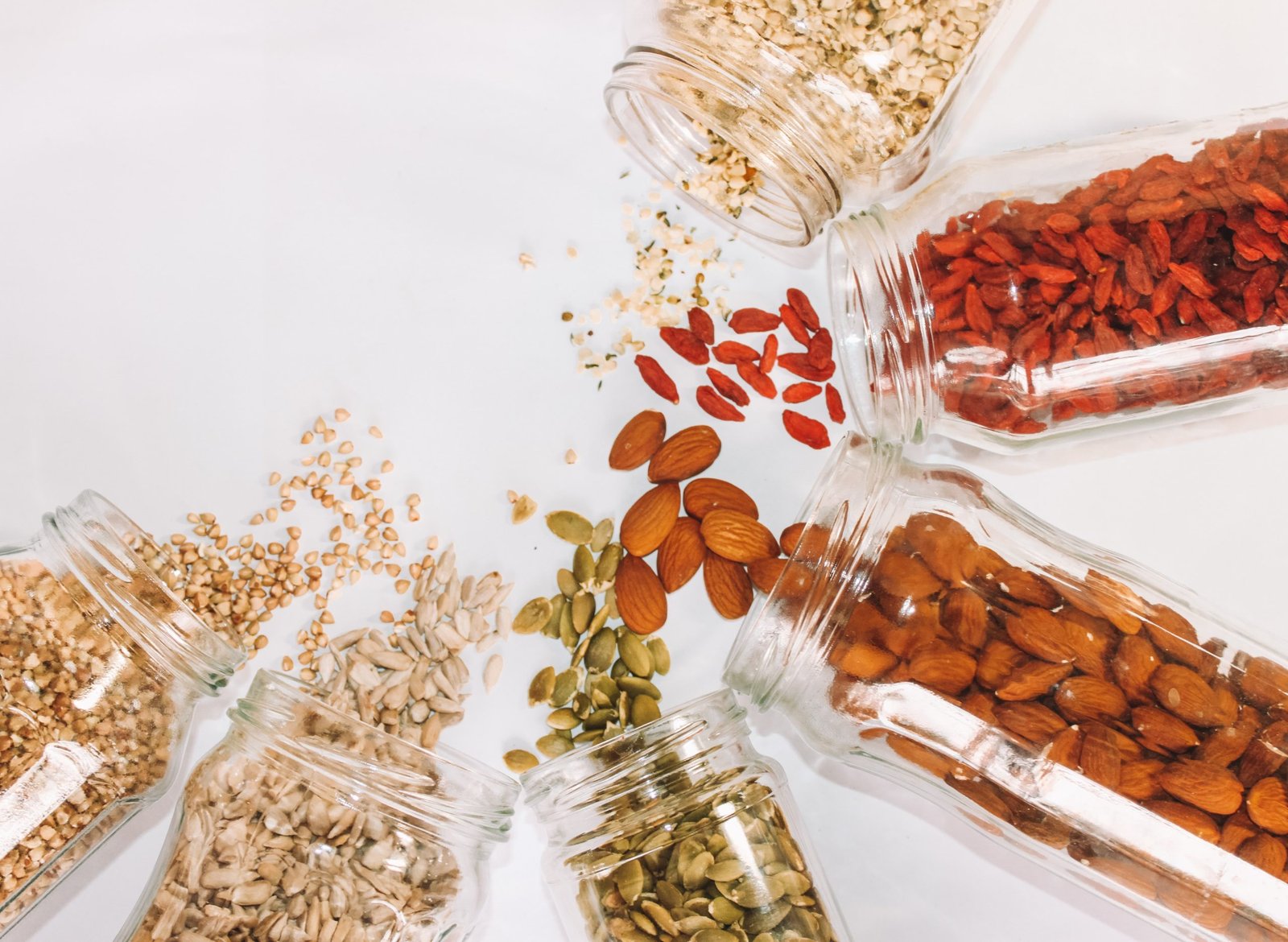
    Grains are seeds and seeds require nutrition to grow. The endosperm provides energy, but the germ offers vitamins and nutrients. It contains folate, thiamin, phosphorus, Vitamin E, magnesium, zinc, phytochemicals, and antioxidants. That part is milled away, along with the fibrous outer coating, the bran. Fiber can be either soluble or insoluble. The soluble fiber mixes with liquid to create a gel that feeds beneficial bacteria. The body can’t digest insoluble fiber. Consuming it helps move food through the body and helps prevent blood sugar spikes.

    If the bran and germ are so important, why are they removed?

    The refining of the grain leads to better consistency and bread that has a softer, more cohesive texture. It’s more pleasing to the palate, but not to the body. Whole grain provides help in regulating blood cholesterol levels. It helps to reduce the potential for hemorrhoids, acid reflux, diverticulitis, and stroke. It can aid in preventing colorectal cancer and improve the absorption of minerals. Eating whole grains may even help weight loss because the fiber fills you quicker and leaves you feeling full longer.

    • For some people, grain is difficult to digest, especially whole grains. If you have a problem digesting whole grains, use breads that have been fermented, like sour dough, or sprouted.
    • Crohn’s disease, diverticulitis, and other digestive issues are exacerbated by consuming whole grains. You can avoid this by consuming sourdough bread.
    • If you’re increasing fiber intake, which includes switching from refined grain to whole grain products, increase your intake slowly. Increasing fiber too quickly can create digestive issues like gas, bloating, and constipation.
    • Consuming refined grains is linked to obesity. It may be the lack of fiber or nutrients, but it’s probably more related to the fact more high-calorie foods contain refined grains.

    For more information, contact us today at Thrive Fitness!
  • What Are The Signs That You Have A Zinc Deficiency?

    What Are The Signs That You Have A Zinc Deficiency?

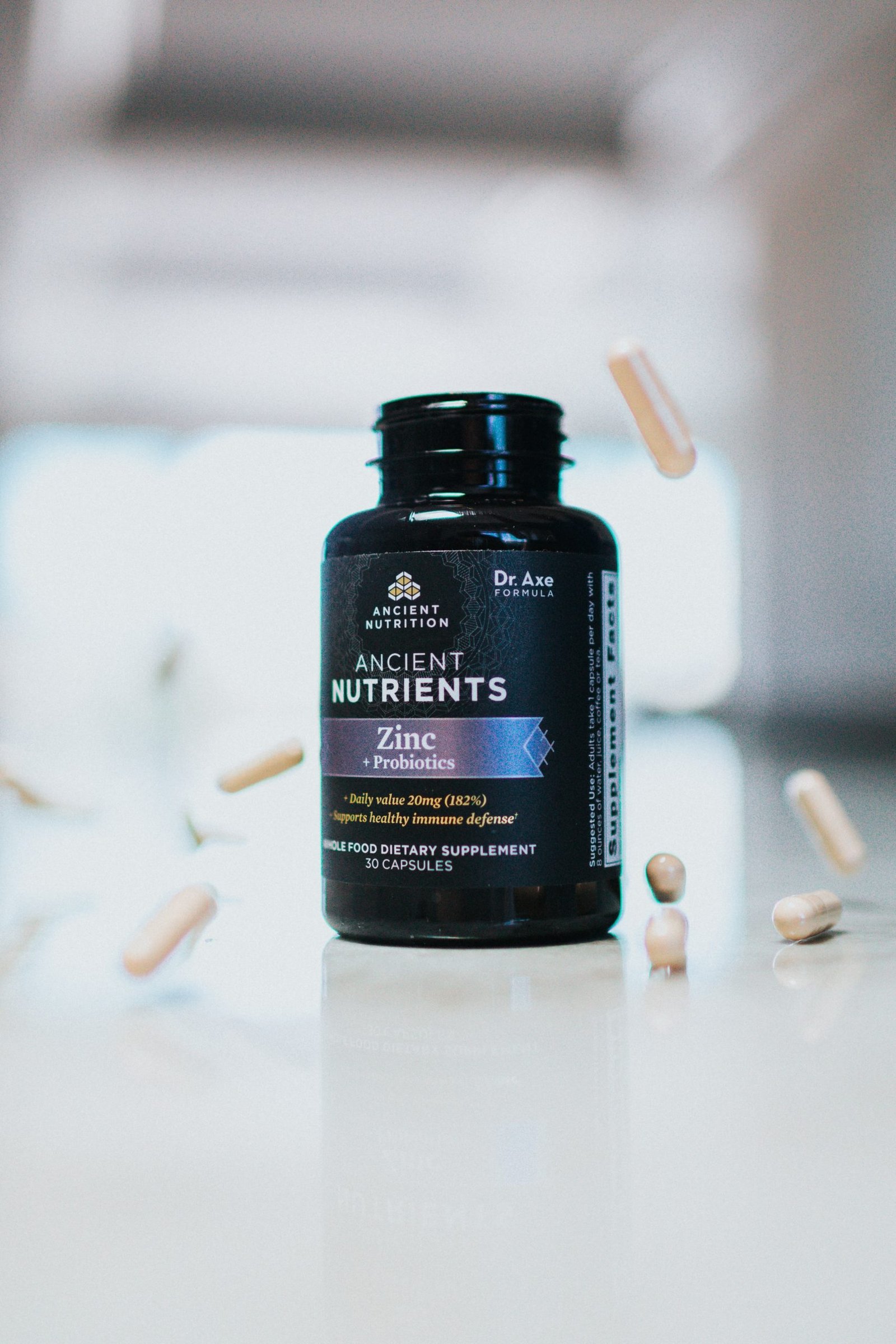
    Staying healthy is a top priority for most people in Pittsburg, CA. Many supplement their diet with vitamins and minerals, which include vitamins A, B, D, and C, potassium, and zinc. During the pandemic, more people became aware of the importance of zinc for immune system functions. However, too much zinc can cause digestive issues, leave a bad taste in your mouth, negatively affect your cholesterol, reduce your copper absorption, and even impact your immune system negatively, which may be why you took it. Knowing the signs of a zinc deficiency and when to take it can help prevent that from occurring.

    The body uses zinc to create new cells and boost the immune system.

    If your diet is missing zinc, it can affect many areas, which include growth, reproduction, and sexual development. A zinc deficiency can affect your sense of smell and taste. Zinc is necessary for wound healing. Symptoms of a zinc deficiency can include weight loss, slow-healing wounds or ones that won’t heal, mental lethargy, diminished smell and taste, open sores on the skin or lesions on the eye, diarrhea, and lack of appetite. A deficiency can even cause hair loss.

    The body has two immune systems that work together.

    Zinc affects both systems. Your body has a general immune system and a specialized one. Each does something different, yet the two work together to keep you healthy. The general immune system is the one most people recognize. It kills invading microbes and creates a barrier to prevent them from entering the body. When an invader manages to enter the body, the specialized immune system starts into action. Lack of zinc affects both by changing your immune system, reducing effectiveness, and increasing inflammation.

    A healthy diet can boost your zinc levels.

    Foods that contain zinc include shellfish, meat, seeds and nuts, eggs, legumes, and dairy. Unless you properly process legumes, the zinc may not be bioavailable. The phytates in legumes affect absorption. Soaking, sprouting, and heating plants containing phytates can help eliminate them so they don’t block the absorption of zinc, iron, magnesium, and calcium. The very young and very old often have problems with zinc deficiencies for several reasons. The problems can stem from absorption difficulties or poor diet. Always talk to your healthcare professional before supplementing with zinc.

    • Zinc requires daily replenishment. The body doesn’t store it. A vegetarian diet may not contain enough absorbable zinc due to the high levels of phytates that bind to zinc and make it unavailable.
    • Studies have had good results from giving zinc in the first 24 hours of a cold. It shortens the duration of the cold. Other studies found that improving zinc levels can slow the progression of macular degeneration.
    • People with a plant-based or vegan diet are more susceptible to zinc deficiencies. They may require 50% or more dietary zinc due to diminished bioavailability.
    • One nursing home study showed that providing patients with daily zinc supplements lowered the incidence of pneumonia. Combining zinc with a healthy diet also helped slow the aging process.

    For more information, contact us today at Thrive Fitness!
  • Why Diet Is As Important As Fitness?

    Why Diet Is As Important As Fitness?

    There’s a reason why I include nutritional coaching with personal training. It’s because diet is just as important as fitness, if not more important. It’s all about living a healthier lifestyle that includes adequate sleep, eliminating unhealthy habits, and staying hydrated. The food you eat determines whether you’ll be successful when you exercise or only see minor improvements. You can’t build muscle tissue if you don’t have the proper nutrition.

    You can’t out-exercise a bad diet.

    Do you eat plenty of fruits and vegetables, including greens, at every meal or are you a fast food junkie? Taking nutrition out of the picture and just focusing on calories, you’ll see how weight loss is nearly impossible with a fast food diet. A cheesy jalapeño bacon quarter pounder with double cheese has 870 calories, a large fry has 480 calories, and a large cola provides 290 calories. That’s 1640 calories in just one meal. Add another 500 calories if you include a shake. You’d have to run over an hour at top speed just to burn off those calories or jump rope for almost two hours. It is too easy to consume extra calories and far harder to burn extra calories.

    You need a healthy diet to provide the building blocks for muscle and energy.

    There’s a reason a pre-workout and post-workout snack is important. A pre-workout snack provides energy to get more from the workout and a post-workout snack speeds the recovery process and helps boost muscle growth. You need the right fuel, including lean protein, beneficial carbohydrates, and healthy fat. Some people recoil when they hear the word fat, but you need fat in your diet to burn fat. The body also requires vitamins, minerals, and phytonutrients to function properly.

    When you eat, you’re eating for trillions.

    When you eat, you provide more than just nutrition for your body. You’re also feeding the trillions of microbes in it. You have more microbes than you have cells. Some are beneficial and others are harmful. Building a microbiome of primarily beneficial bacteria means eating a healthy diet that contains adequate prebiotics. Soluble fiber found in fruits and vegetables are prebiotics that feed the beneficial microbes, some of which boost weight loss. Sugar and simple carbohydrates feed harmful microbes.

    • Besides a healthy diet, you can boost beneficial bacteria by increasing your daily exercise. Studies show a program of regular exercise boosted the population of beneficial microbes.
    • Losing weight isn’t the only fitness goal a healthy diet benefits. Boosting energy, improving endurance, building muscles, and improving health are other fitness goals a healthy diet benefits.
    • Remember the food you eat is only part of the calories you consume. What you drink makes a difference, too. Sweet tea and soft drinks are also high in calories. Switch to bottled water to cut calories.
    • Studies show that drinking diet soda doesn’t help. One study found the more diet soft drinks people had daily, the bigger their waist circumference due to belly fat.

    For more information, contact us today at Thrive Fitness!
  • The Benefits Of Strength Training For Weight Loss

    The Benefits Of Strength Training For Weight Loss

    Obesity is a leading killer, surpassing smoking as the top cause of preventable deaths. People often come to Thrive Fitness in Pittsburg, CA, with weight loss as their primary goal. They’ve tried to lose pounds before with cardio and fad diets found on the internet but failed. That’s because they fail to include all types of training. Cardio does burn calories, but it’s not the best way to lose weight. It burns calories from both fat and muscle tissue. Maximizing weight loss requires more muscle tissue and strength training builds it.

    You’ll burn calories while you work out and burn more later when you do strength training.

    Your body demands more energy when you exercise. The energy comes from breaking down fat and glycogen stored in the muscles, liver, and fat and making glucose that enters the bloodstream to provide energy. It requires oxygen to do that. Increased oxygen uptake doesn’t end when you quit exercising, it remains higher to return the muscle to the resting state by breaking down stored fat and carbs. That’s known as post-exercise oxygen consumption—EPOC. EPOC causes the body to increase its resting metabolic rate for as much as 48 hours, burning additional calories. It’s called afterburn. High intensity exercises and strength training afterburn last longer.

    Build muscle tissue and burn fat with strength training.

    The more muscle tissue you have the easier it is to lose weight. If two people of the same weight both consumed the same calories and did the same exercises, one might lose more weight than the other. The answer to why this occurs could be that the person losing more weight has more muscle tissue. Muscle tissue requires more calories for maintenance, so the body burns more calories 24/7, causing a higher metabolism.

    No matter what exercise program you use, what you eat is just as important.

    You can’t out-exercise a bad diet, if you’re eating a dozen donuts and washing them down with liters of root beer, you won’t lose weight. Eating healthy is the most important part of weight loss, even more important than exercise, since a healthy diet provides the nutrients to build muscles. One glazed donut and a 12 oz bottle of root beer are approximately 500 calories. The average person would need to run or exercise for almost an hour just to burn those calories.

    • Women have a more difficult time losing weight than men do. Men have more muscle tissue and heavier frames. That causes them to burn more calories 24/7.
    • Some types of strength training burn even more calories. When you alternate intensity during strength training using HIIT—high intensity interval training—you’ll burn even more calories.
    • Compound exercises that use multiple muscle groups and joints also burn additional calories. Walking knee lunges, deadlift rows, and squat-curl-presses are examples.
    • At Thrive Fitness, you’ll get a program designed specifically for your needs, including nutritional help. You’ll lose weight and get fit faster.

    For more information, contact us today at Thrive Fitness!

  • How To Introduce Exercise To Your Weekly Schedule

    How To Introduce Exercise To Your Weekly Schedule

    You know you should exercise. Everyone from your doctor to your grown daughter tells you it’s important but your schedule is so loaded now, there doesn’t seem to be time. There are ways to fit workouts into your weekly schedule and once you do, you’ll reap rewards. Not only can exercise help you feel better and improve your health, but it can also boost your energy. You’ll be more productive as you get fitter, freeing more time for business and having energy at the end of the day for fun.

    Schedule your workout and make it a standing appointment.

    If there’s one time of day you usually have a break, make it your exercise appointment. Some people make early morning that time. It is the only way they can work out consistently before the day’s activities start, so there are no interruptions. If you always have time at midday then that should be your time, just make sure you bring your gym clothes and have showering available. Some people aren’t morning people, and they don’t have any time during the day. There are only two things that can help. Learn to be a morning person or work out as soon as your workday ends, no matter how late it is.

    If you have some time but not long enough for an entire workout.

    Use those 10-20 minute breaks and create short workouts or take walks during that time. You can even use the morning for a 10-15 minute session, walk for 15 minutes during lunch, and top the day off with another shorter workout when you get home. You’ll get as much benefit from several short sessions as you do one longer, continuous one.

    Do HIIT workouts.

    What are HIIT workouts? HIIT stands for high intensity interval training. It’s not a specific type of exercise but a way to workout. You can even use HIIT when you walk. When you do a HIIT workout, you alternate intensity . First, go at peak intensity for seconds to a few minutes, then revert to a recovery pace for an equal or longer time. Volley your workout between peak intensity and recovery throughout. You get more results in shorter sessions to save time.

    • Plan your workout and track it. It helps boost results and cut workout time. When you know what you’ll do next, it speeds up the process.
    • Get the family involved. Make a predinner workout a family time where everyone exercises for a half hour. Have a nutritious meal together after you work out. Make sure there’s healthy protein and carbs.
    • If time isn’t a factor, but motivation is, get a workout buddy. When you work out with someone else, they hold you accountable for showing up by just being there.
    • Instead of having a drink after work with cohorts to wind down, workout with the group. You’ll all feel better and build a more cohesive work team. Learning to love how you feel after working out is key.

    For more information, contact us today at Thrive Fitness!
  • Can Foods Like Celery Have Negative Calories?

    Can Foods Like Celery Have Negative Calories?

    If your eyes lit up at that thought of food with negative calories that would slim you down the more you ate, you aren’t alone. It’s the perfect dream for many people. Don’t get too excited. These foods have been on every list of healthy foods for ages. It’s all about food that takes more calories to digest than it contains. It’s called the thermic effect. When you eat, approximately 10% of the calories go toward digestion. If the food is higher in fiber, that number increases to 20% and if it is protein, it takes about 30% of the calories to digest it. Fat only burns 3% and simple carbs burn less, too.

    Food with a high water content can also require the body to burn more calories.

    The amount of water a food contains affects the calorie count and the digestive process. Watermelon has almost no calories because of its high water content. It also has a thermogenic effect since it’s also high in fiber. Leafy greens are another option high in water and fiber.

    Few foods have a negative calorie count, but many are close.

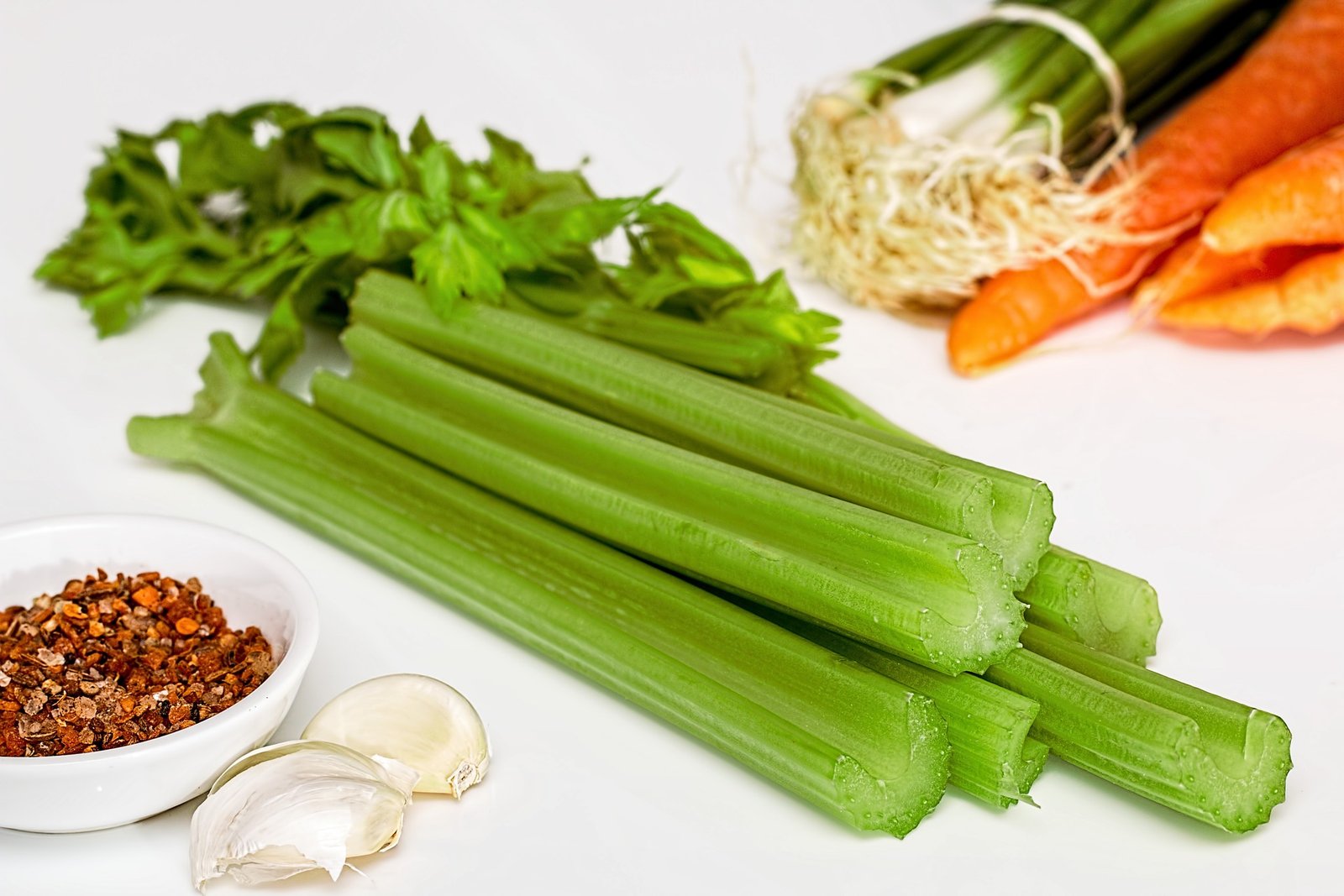
    Look for foods with fiber like fruit and vegetables. Celery is the most noted negative calorie food. It’s high in fiber and high in water content. The digestion process may cause more calories to burn than it contains. One rib of celery has approximately 6 calories. The process of digestion requires many of those calories and the diuretic quality of celery increases its ability to lose weight.

    Increasing the herbs and spices can increase thermogenesis.

    Herbs and spices contain few calories and also contain almost negative calories. Hot spicy foods burn more calories because they interact with the body and cause it to sweat. Hot peppers can increase body temperature, which boosts metabolism. That causes the body to burn more calories than normal. Adding spices to food increases the thermogenetic effect. It’s not just hot peppers that increase the calories burned. Turmeric, cinnamon, and cumin also improve weight loss.

    • Make a thermogenic snack by steaming baby asparagus lightly. Add salt, lemon juice, and pepper, then chill. These low-calorie snacks can burn many calories while providing nutrients and filling fiber. Kale, beet, and spinach salad also fight fat.
    • Other zero or almost zero-calorie foods include mushrooms. However, the way you prepare the mushrooms makes a difference. Raw mushrooms have super low calories, but the same isn’t true of deep-fried ones.
    • If you’re adding cinnamon to help burn more calories and lose weight, use Ceylon cinnamon. Cassia cinnamon is less expensive but is high in coumarin, which can be toxic in higher doses.
    • Fresh shredded cabbage is almost a negative-calorie food, but it’s not at its best without dressing. Grate cabbage, carrots, and a few onions, and top with a low-calorie dressing. It’s not negative calories, but pretty close to it.

    For more information, contact us today at Thrive Fitness!

  • Ways To Exercise As A Couple

    Ways To Exercise As A Couple

    Young muscular couple doing strength exercise at the cross fit workout.

    It’s hard to stick with an exercise program when you’re doing it on your own. It seems like everything gets in your way. When you exercise as a couple, you have a built-in workout partner who will support your endeavors and help you stick with a schedule. You can turn family time into exercise time with activities that get everyone moving, including the kids. Hiking, bike riding, and even family hula hoop contests can be fun while providing calorie-burning exercise.

    Start by setting ground rules.

    Talk it over and create a schedule. Make your workout an appointment at the same time every day. It helps establish a routine and habit that’s hard to break. It’s important that both people are equally committed or the plan will fail and create hard feelings. When doing a specific exercise, each person should have their own goal based on their fitness level. Include strength, flexibility, endurance, and balance training. Don’t forget to include fun activities, too.

    Go to the gym or work out at home.

    If you aren’t sure where to start a personal trainer can help. Opt for semi-private training and go together. You’ll each get a personal assessment and a program designed for your needs. Stop afterward for a healthy meal and make it a night out. You can even find another couple to join you at the gym to make it more fun. If you’re working out at home, make sure you focus on the proper form. Improper form can cause injury and diminish the benefits.

    Make a date night active.

    You can schedule workouts during the week but make date night special. Go roller skating, bowling, hiking, or opt for a night of dancing. You don’t have to go to a club, turn up the music and dance in the living room. Ballroom dancing is a fabulous couples’ activity that can add a challenge and improve your fitness. Everyone who has ever watched “Dance with the Stars” has seen the before and after differences in the stars’ fitness.

    • There are drawbacks to working out with a spouse. It’s easy to skip a workout when you feel comfortable enough to say you don’t feel like it. Find ways to overcome the urge to avoid exercising.
    • If you can’t work out every night, try three nights a week. No matter how many hours per week you work out, any increase in activity is beneficial.
    • Try couples’ exercises. An example is back-to-back squats that start in a standing position with arms intertwined. Do a couple’s plank where you face each other and in the middle of the plank, do a high five.
    • Everyone is different. Expect to see those differences magnified when you work out together. One person may improve faster than the other. It can occur for many reasons. Focus on your accomplishments and congratulate your partner on his or hers.

    For more information, contact us today at Thrive Fitness!