Category: Uncategorized

  • How Processed Foods Can Affect Your Health

    How Processed Foods Can Affect Your Health

    More grocery stores in Reno, NV, have increased the whole food products they carry because the public demands it. People are waking up to the fact that highly processed food can be detrimental to health. Before it’s in a grocery store, all food has some processing. They wash fruits and vegetables. They can be canned or frozen and still be healthy. Highly processed food is different. It often bears little resemblance to the original product. Processing may remove all the nutrition leaving empty calories. They may contain preservatives, sugar, and other toxic ingredients.

    Highly processed foods pack on the pounds.

    It’s not just the extra calories you consume when you eat processed food that makes you gain weight. It’s the increased appetite that does. Salt, sugar, and fat all stimulate the taste buds. Studies show that salty foods make you hungrier, so you eat more. Foods high in sugar spike your blood glucose levels, which drop just as dramatically. You’re even more ravenous when that occurs. Sugar is also addictive. The more you eat, the more you need to get the sweet taste and sugar high. It affects the brain the same way opioids do, creating a hunger void that’s never filled.

    Sugar and highly processed foods cause inflammation.

    Inflammation is necessary for survival. Acute inflammation helps fight microbes that invade the body and aids in healing wounds. However, chronic inflammation kills. It causes much of the pain from rheumatoid arthritis and can lead to cancer, heart disease, diabetes, asthma, and Alzheimer’s. Sugar and highly processed food increase inflammation. Many whole foods contain phytonutrients that help reduce chronic inflammation.

    Some types of additives are worse than others.

    Are all types of sugar equal? Some are worse. HFCS—high fructose corn syrup—is artificially created. While it comes from corn, it bears no resemblance to the sugar found in corn after it’s processed. Fructose metabolizes differently than glucose. Every cell metabolizes glucose, but fructose only metabolizes in the liver. Studies show that lab animals given high amounts of fructose developed cirrhosis and fatty liver disease. It increases the potential for hypertension, brain damage, and weight gain.

    • Highly processed food may have nutrients added, but many of those nutrients aren’t as bioavailable as they are in whole food. Whole foods also contain phytonutrients that work in synergy with vitamins to enhance the benefits.
    • Bread made from highly processed grain has few natural nutrients. When the grain is processed, they remove the germ and bran. The germ contains most of the nutrients. The bran has fiber. They bleach the endosperm to create white flour.
    • Highly processed meat is high in nitrates, salt, and other chemicals. It is linked to high blood pressure, colon and stomach cancer, COPD, and heart disease.
    • Artificial sweeteners used in highly processed food and drink may add to the obesity epidemic. Studies show that high consumption is linked to diabetes, metabolic disease, obesity, and belly fat.

    For more information, contact us today at Thrive Fitness!
  • Invaluable Fats For Your Diet

    Invaluable Fats For Your Diet

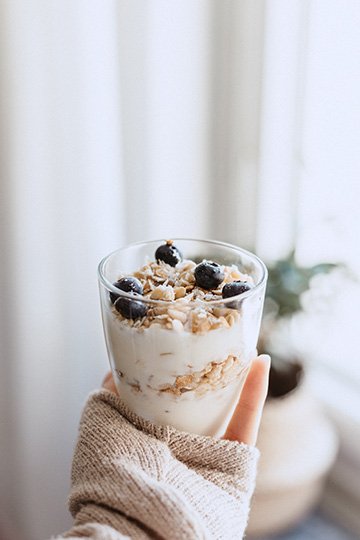
    Have you ever searched for low-fat options of your favorite food, only to realize they’re higher in calories or have a ton of sugar added? Yogurt, for example, has healthy fat that makes it palatable and gives it a creamy consistency. When they remove the fat, they often add sugar and artificial ingredients to give it flavor and texture. Instead of focusing on eliminating all fat, focus on eliminating unhealthy fat and consuming healthy fat.

    Healthy fat performs many functions in your body. ‘

    If weight loss is your goal, include fat in your diet. Fat fills you up, making it easier to say no to sweet treats and high-calorie foods. Polyunsaturated fats—PUFAs—improved satiety and hunger markers both after a meal and during fasting when consumed for as little as seven days. When they remove fat from food and replace it with sugar, the sugar causes spikes in blood glucose levels that drop as quickly as they rise, leaving you ravenous. Fats are necessary for cell growth and brain and nervous system functioning. Fat plays a role in producing hormones that may affect your weight. It’s vital for healthy skin.

    Not all fats are equally healthy.

    Trans fats are the villains of the fat world. While some occur naturally, the vast majority are manmade. They hydrogenate fat. That changes the bonding and gives the fat a longer shelf life. Unfortunately, that long shelf life also affects your body. These fats provide no benefits. They only increase calories and health issues such as arterial damage and unfavorable cholesterol levels. Trans fats are products are banned, but some food, like snack food, still contains them. The FDA says anything under half a gram can be shown as zero trans fats. If you have a junk food diet, those half-grams add up.

    Trans fats are unhealthy, but what about saturated and unsaturated fats?

    Fat received a bum rap back in 1967. The sugar industry paid three Harvard professors to do a mega study that blamed fat for coronary heart disease and negated the claims that sugar was the possible culprit. People cut fat out of their diet and focused on fat-free food. When manufacturers removed fat, they added sugar. It was a bonus and additional return on the sugar industry money. Saturated fat and unsaturated fat both have health benefits. Polyunsaturated fat, a type of unsaturated fat, can be heart-healthy. Think omega-3 and omega-6 fatty acids.

    • Fats are necessary to transport fat-soluble vitamins. These include vitamins A, D, K, and E. Obese people often have vitamin D deficits. Whether obesity caused the deficit or the deficit caused the obesity isn’t yet known.
    • Some foods with healthy fats are avocados, extra virgin olive oil, extra virgin coconut oil, organic eggs, and nuts or nut butter. These also provide other valuable nutrients.
    • Medium chain triglycerides—MCT—are a type of fat in coconut oil. They metabolize differently and are used immediately for energy rather than being stored. They also increase metabolism and torch calories quickly.
    • Fat from whole foods is the best type of fat. Many healthy diets contain healthy fat. The Mediterranean and KETO diets are high in fat. Both have proven beneficial for weight loss and health.

    For more information, contact us today at Thrive Fitness!

  • What’s The Difference Between Portion Size And Serving Size?

    What’s The Difference Between Portion Size And Serving Size?

    If you read the nutritional facts on the back of any box of food, it gives you the serving size and the calories and nutrients in one serving. While it’s not exact, it’s pretty close to it. Portion size is completely different. It’s the amount you’re served and choose to eat. Portion sizes vary from person to person. They even vary from generation to generation. Portion sizes have grown. People eat an average of 300 calories more a day than they did 35 years ago.

    Serving size is a way to measure nutrients.

    Packaging provides serving size as a way to compare calories and nutrients. Fifteen chips is the serving size and close to the number of chips in an individual bag of chips. It’s also fifteen chips if you’re eating from a family-size bag, but most people eat more. When it comes to snacking, if there’s plenty of food available, each person’s portion size will be different.

    Meal planning is effective because you pack food in serving sizes.

    If you aren’t familiar with meal planning, it’s the process of planning meals one day, shopping the next, and cooking the week’s meals on a third day. Divide the food into serving sizes and either refrigerate it or freeze it for later. When you’re ready to eat, just heat and serve. People use meal planning to help them eat healthier, lose weight, and save money and time. When you allocate the portions to serving sizes ahead of time, you don’t have to worry when you eat. We provide nutritional help that makes meal planning easier.

    Restaurants had to compete with others for business.

    One reason people are eating an average of 300 calories more a day is because restaurants serve bigger portion sizes. It’s one of the big draws for “mom-and-pop” restaurants. If you eat in a restaurant with large portions, share a meal if possible. Otherwise, eat half and save the rest for the next day. Understanding how to gauge a serving size without a measuring cup or scales helps. For instance, a serving size for meat is the size of a deck of cards, and a serving size for cheese is the size of four stacked dice.

    • Learn what constitutes serving sizes for each food group. For dairy, one ounce of cheese, a cup of milk, or a cup of yogurt is one serving.
    • You can increase the serving size or number of servings for salads and cooked vegetables without added sauce. These foods fill you up and are high in nutrients but low in calories.
    • If your portion size is far larger than the serving size and you’re determined to eat less, eat slower. Take smaller bites and chew each bite thoroughly, savoring the texture and flavor. The extra time it takes gives your stomach a chance to signal to the brain that it’s full.
    • Buy or make snacks in bulk and package them in individual serving sizes. Snacks are an important part of your diet and can help you lose weight. They help prevent overeating at the next meal.

    For more information, contact us today at Thrive Fitness!

  • Best Time of Day to Exercise

    Best Time of Day to Exercise

    When are you most energized?

    Some people get up in the morning refreshed and raring to go. Others hit the snooze button on the alarm several times before they drag out of bed and groggily begin waking up. Morning workouts won’t work for the second group, but they may be perfect for the early riser. If you’re a late riser, your highest energy level is at noon or later. Those times are best for you.

    When do you burn the most fat?

    A morning workout starts after the night’s fast. You’ll be working out on an empty stomach. It trains your body to burn fat. People who work out later in the day have had time for their muscles to warm, so they do their best from noon until bedtime. Exercising at lunch hour or after work is best for them. The reason for working out makes a difference, too. If you’re training for an endurance event, you have to have stores of glycogen to get to the finish line. Noon or later would be your best time. You’ve had a chance to eat a full meal and have a store of glycogen in your muscles for energy.

    Power lifting, muscle building, and strength exercises get the best results later in the day.

    You won’t get the results you want from strength training if you start it the minute you get out of bed. When you sleep, your body temperature drops. Your body requires activity before it starts to rise. Testosterone and growth hormones are necessary to repair and create muscle mass after strength training. These are lowest in the morning and increase throughout the day. If you’re doing strength training, you need more time for your body to wake up, so the first thing in the morning isn’t ideal.

    Consistency is the most important factor when it comes to exercise. Even if you aren’t exercising at the perfect time, if you can schedule it with consistency, it’s the best time for you.

    Working out at the end of the day can benefit people with a stressful job. Exercise helps burn off the hormones of stress.

    No matter what time you work out, start with a warm-up and finish with a cool-down session. Eat pre-workout and a post-workout snack. Make sure the snacks include carbs and protein.

  • Dieting On A Budget

    Dieting On A Budget

    The rising price of groceries has hit everywhere, including Reno, NV. The high price of food shouldn’t stop you from dieting. Most people think you must eat only fresh fruits and vegetables or include exotic and expensive food in your diet. That’s not true. Eating healthy shouldn’t break your budget. It only takes a little planning to get thinner without making your wallet thinner, too.

    Eating healthy is far cheaper than eating at a fast food restaurant.

    The prices at fast food places have increased more rapidly than in grocery stores. You can save money when you cook at home. That’s the first place to start. Meal planning is one of the best options to cut the cost of groceries. You plan all the meals at one time, using leftover meat and vegetables from one meal to use in another meal. On another day, you make your grocery list and go shopping. On the weekend or your day off, you cook all your meals at once and divide them into containers for storage. During the rest of the week, just heat and eat.

    Save money with frozen and canned fruits and vegetables.

    You can even buy extra for future weeks if it’s on sale. While fresh fruits and vegetables are necessary for most garden salads, frozen and canned produce make good side dishes. Frozen vegetables may even be more nutrient-dense than those in the produce section. They’re picked at peak ripeness, then make a short trip to the processing center and quickly frozen. That’s quite different from the route fresh produce takes. Those are picked early and allowed to ripen on the long route to the grocery, where they sit on the shelf for a while before you purchase them. Canned fruits and vegetables have lost only a few nutrients.

    Meal planning cuts out waste.

    How many times have you looked in the refrigerator and tried to figure out what that leftover used to be? When you plan meals, you know the exact amount for one serving. If you’re cooking for one or two, pack the amount left in containers and freeze them for later. Eventually, you’ll have enough containers for a week or two’s worth of meals. You can skip a week of cooking or save them for an emergency when you can’t cook.

    • Use seasonal vegetables for your meals. If they’re inexpensive enough, buy extra and freeze them to use later. Roadside produce stands are also another place to save money.
    • You’ll have fewer leftovers and duplications. You can plan around sales and coupons for more savings and have a meatless Monday using beans and brown rice or make eggs or poultry your source of protein.
    • If you purchase poultry, cutting it yourself can save money, too. Instead of buying chicken breasts, get a whole chicken and use the other meat for Buddha bowls, soup, or a casserole, or freeze it to use later.
    • You’ll not only save money on food, but you’ll also save time, too. When you just heat and eat the food during the week, there’s no sitting in a drive-through line waiting, so you’ll save money on gas.

  • Easy Ways To Get Your Steps In

    Easy Ways To Get Your Steps In

    You need a complete program of exercise that addresses flexibility, endurance, balance, and strength. You can devote three to four days a week to it. On the other days, you can increase your exercise in easy ways, like adding steps. Adding steps can be as simple as taking a walk during lunch or parking further from the store and walking. It supplements your workout sessions and can get you back into shape quicker.

    You don’t have to take a walk to be walking.

    When you think of walking, you usually think of walking somewhere, but you don’t have to do that to get in extra steps. You can walk in place while you’re watching television. It doesn’t take much room. You can walk side to side and step backward and forward to break any monotony. Pump your arms while you’re doing your steps. It burns extra calories and gets in more exercise. Besides changing walking patterns, you can make your walk a HIIT—high intensity interval training—workout. Just run in place at peak intensity for a while, then drop back to a recovery pace for an equal or longer time. Then go back to the peak intensity pace.

    Shopping can add steps to your day.

    You don’t have to buy anything, either. Just stop at an indoor mall, park further from the store to add steps, and go inside to do some window shopping. You can make a loop around the mall. If you have extra energy, take a second or third. You don’t have to take all your steps at once. Do as much as you can. When adding steps, you can break it into more manageable sessions of ten to fifteen minutes, done several times throughout the day.

    Increase your steps incrementally.

    You don’t have to add 1,000 steps at a time to increase your steps. Adding a few extra steps here and there will do. If you live or work in a building with several floors, take the stairs instead of the elevator. Always ensure the exits from the stairwell aren’t locked, or you might find yourself trapped. Put things away in your home immediately to increase your steps. You’ll have a tidier home and get more steps when you do.

    • If you have to call a co-worker, walk to their station and talk to them face-to-face. It can improve communications and help you get in extra steps.
    • Walk to lunch. If your lunch hour is short, call in your order and pick it up instead. Some restaurants provide seating for call-ahead orders, if they don’t, eat your lunch in the park or at your desk. Packing your lunch and eating it in the park is another option.
    • If your child’s school is close enough, walk the kids to school and walk them home. You’ll save time in the pick-up line and save on gas, too.
    • If you live within walking distance of the grocery, get a foldable cart and walk to the store. Using a cart allows you to get everything you need without worrying about whether you can carry it all.

    For more information, contact us today at Thrive Fitness!
  • Can I Lose Weight In My Thighs Quickly?

    Can I Lose Weight In My Thighs Quickly?

    Women often want to lose weight in several places. The most frequent areas are the belly, hips, and thighs. You’ll get some benefits from exercise, but if you lose weight, it comes off the entire body. There’s no such thing as spot-reducing. There is, however, spot-toning. Toning your muscles and building more muscle won’t take pounds off, but it will compact the area and make the thighs look thinner. That’s the real goal most people want. It also helps eliminate the puckery, grapefruit-skin appearance that comes from cellulite.

    Start by changing your diet.

    You don’t have to go on a crash diet, just focus on eating healthier. Eliminate highly processed foods and foods with added sugar. These types of food often provide calories without additional nutrition. You’ll lose weight all over your body, including your thighs. If cellulite is a problem, besides adding exercise and cutting out starch, sugar, and other processed food, drinking more water can help. Massage can also help improve the lymphatic drainage that gives your thighs a cottage cheese appearance.

    Burning calories with exercise helps.

    When you do full-body workouts, it torches calories to help you lose weight on your entire body. It also builds more muscle tissue. The more muscle tissue you have, the more calories you burn since muscle tissue needs more calories to maintain than fat tissue. Some full-body workouts also focus on toning the thighs. Walking lunges, jumping jacks, squats, or squat jumps work the thighs. A difficult exercise that gets results fast is a mountain climber. Start in a plank position and do a running motion with your feet.

    Tone your thighs with a variety of exercises.

    Make sure you work all muscles of the thigh on all planes. Some exercises work only the front, inside, outside, or back muscles. Side lunges work the inner and outer thighs and forward and backward lunges work the front and back. Adjust your foot position and width when you’re doing squats to address all muscles in your thighs. Laying on your side and lifting both legs can work both the inner and outer thighs.

    • A wide stance plie, also called a plie squat can work the inner thighs, while a step-out squat using resistance bands can tone the hamstrings at the back of your thighs.
    • An excellent toning activity is walking up and down the stairs. Take every opportunity to use the stairs. Athletic training drills often involve running up and down steps to strengthen leg muscles.
    • Walk more and ride a bike. If you have joint issues or balance problems, ride a stationary bike. You can adjust the tension to make it easier to pedal and put less pressure on the joints.
    • Hold weights while you do squats or other leg exercises. The extra weight can help you tone your legs faster. You can create makeshift weights at home with empty detergent bottles or water bottles filled with sand or water until you reach a comfortable weight.

  • Are Your Fitness Goals Realistic?

    Are Your Fitness Goals Realistic?

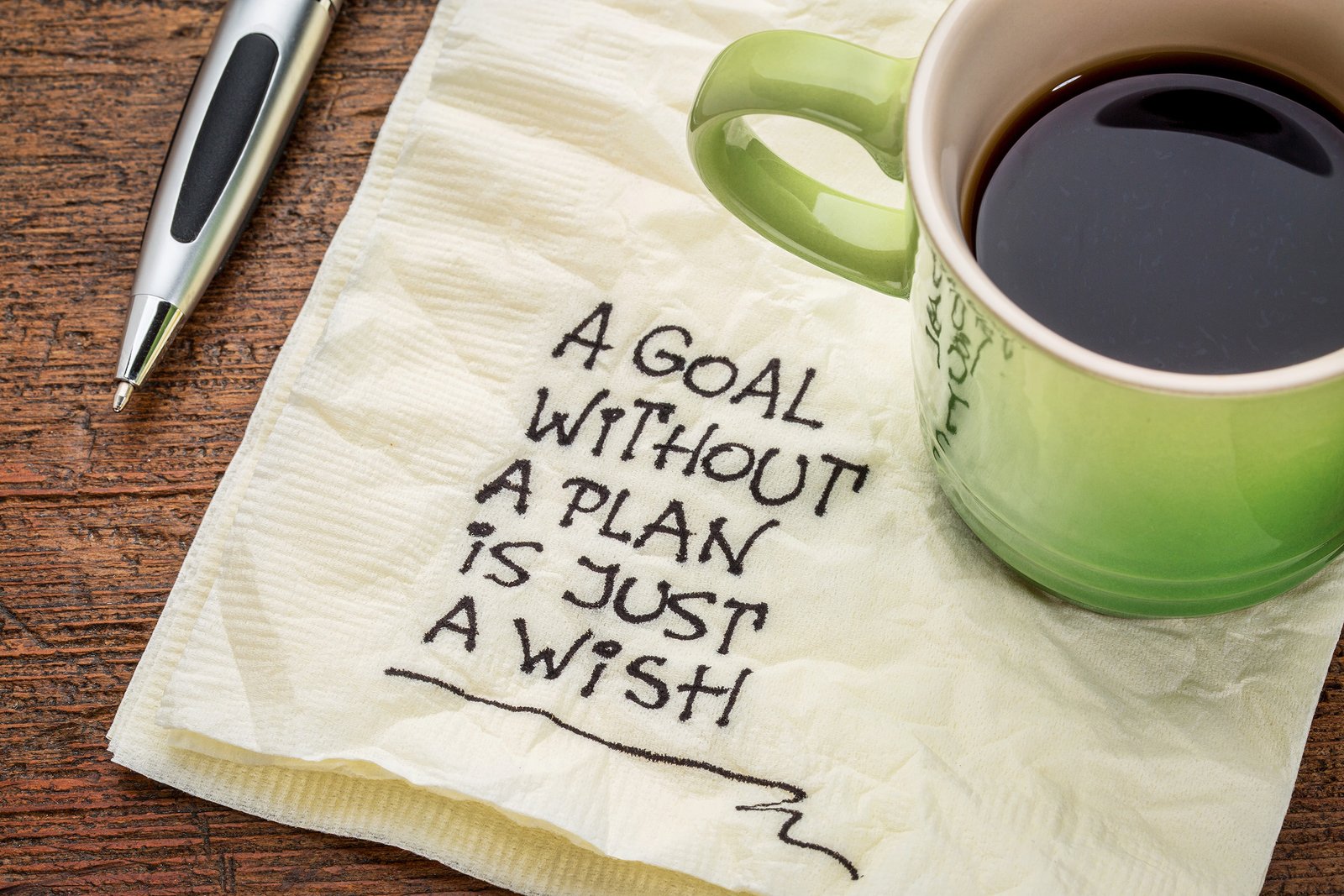
    a goal without a plan is just a wish – motivational handwriting on a napkin with a cup of coffee

    There are many success stories from the people who use personal trainers at Thrive Fitness in Pittsburg, CA. Trainers help clients with a personalized program that meets their fitness goals. They also help to ensure those goals are realistic. If a goal isn’t challenging, it doesn’t cause excitement or create transformational changes. If it’s too difficult or not achievable, it creates discouragement and limits the potential for any change.

    Let’s look at weight loss.

    It takes a 3500-calorie deficit to lose one pound. The average active man burns 3000 calories daily. An active woman burns approximately 2400 calories. Even if you went without eating for a week and lost the 10 pounds, it would be mostly water weight that would return quickly. It would take over fourteen days of total fasting for a woman to lose that much and approximately 12 days for a fasting man to lose that much. It’s unhealthy, almost impossible to do, and an unrealistic goal.

    Exercise goals.

    If you’re a couch potato and want to get into shape, don’t expect miracles overnight. It takes a week before you begin to feel more energized from exercise and a month to see any physical changes. Whether you want to tone your body or get ready for a marathon, creating an unrealistic timetable can mentally set you back. If you initially push yourself too hard it can cause injury or immense muscle pain, increasing the potential for quitting.

    Some things will never change.

    Exercise can improve your posture, which will make you taller. Exercise and weight loss may cause your feet to get smaller due to fat loss on the feet and less pressure on them that can stretch tendons. Losing weight may make you taller or wear a smaller shoe size but not significantly. You’ll be disappointed if your goal is to go from 5’7″ to 6’2″. The same is true for shoe size. Weight loss might cause you to go from a size 9 to a size 8, but you won’t get down to a size 5 shoe. Create goals around things you can change, like weight. Accept things you can’t change, like your body frame.

    • A realistic weight loss goal is approximately 2 to 3 pounds a week. The more you weigh, the easier it is to lose weight because carrying the extra weight burns more calories. Expect weight loss to slow as you get thinner.
    • Track your progress in the gym. Focus on increasing the intensity a little at a time. If you can do 3 sets of 10 push-ups, focus on making it 3 sets of 12 push-ups. You can increase the number of sets or the number of repetitions.
    • Don’t set a date you want to achieve your goal. Instead, decide how much progress you can safely make in a week. If it’s losing two pounds a week and your goal is to lose ten pounds, it will take five weeks. The goal is to lose ten pounds in five weeks.
    • Expect some setbacks. Getting fit doesn’t chart in a straight line. You’ll lose more weight in some weeks than others. Some workouts will be difficult no matter how long you’ve exercised.

  • Best Supplements For Muscle Growth And Recovery

    Best Supplements For Muscle Growth And Recovery

    There’s a lot of talk about taking supplements to improve muscle growth and boost recovery after a workout. Should you take them or will a diet focused on building muscle do the job? If you thought you could take a supplement and you wouldn’t ache so much the next day after working out or building your muscles faster, it’s tempting to try it. For some people, supplements can help with muscle growth and recovery. You have to be careful, not all supplements are beneficial or safe.

    There is some evidence that protein supplements may benefit muscle growth.

    People often take supplements to improve athletic performance, build more muscle, prevent falls, and prevent sarcopenia, the muscle loss that occurs with aging. Protein, collagen, and creatine have shown evidence that they do help build muscle tissue, but the field of supplements isn’t regulated. Some supplements contain ingredients that are harmful to your health and have impurities that include toxic metals like mercury and arsenic. Find supplements that contain a seal of approval Certified for Sports from testing companies like NSF.

    Depleted glycogen stores cause muscle soreness.

    A light snack containing carbs and protein is beneficial for both muscle recovery and building muscles. When you exercise, you break down muscle tissue and burn up stored glycogen. The carbohydrates in the snack help maintain energy during your workout so you don’t hit the wall and replenish the depleted glycogen stores that lead to muscle soreness. Protein is a source of energy and starts the process of rebuilding muscle tissue after exercise. It boosts recovery.

    Some people benefit from taking protein or creatine supplements.

    While consuming more protein in your diet is the best route to take to improve recovery and boost muscle growth, some people benefit from it. If you have problems consuming enough protein a supplement will help. Seniors often have a problem digesting and absorbing protein. They may eat as much protein as they did years earlier but realize less benefit. Creatine is another supplement that can benefit muscle building. The body makes it but it decreases as you age. Studies show that people between 57 and 70 taking creatine while doing resistance training increased muscle mass more than those who didn’t.

    • If you have any health conditions, always check with your healthcare professional before taking any supplements. It can be harmful for people with certain conditions, like kidney disease.
    • There’s proof whey protein boosts muscle building, but not everyone can digest whey protein. People who are lactose intolerant develop symptoms of diarrhea, flatulence, and cramps since it contains lactose.
    • L-carnitine, an amino acid, diminishes as you age. It can help build energy. Taking a supplement may help. Curcumin from turmeric and omega-3, a fatty acid, have been shown to reduce inflammation to improve recovery.
    • While creatine may help build muscle tissue and provide other benefits, it has drawbacks. It can interact with caffeine and herbal supplements and increase the risk of stroke, or cause water retention in the muscles and weight gain.

  • The Importance Of Tracking Your Progress And Results

    The Importance Of Tracking Your Progress And Results

    Emphasizing the necessity of tracking your progress and results is vital to any program. It’s important in work, school, or any activity where you want to succeed. It’s the reason video games keep score. It makes the game more exciting and provides a benchmark for improvement. The same is true of fitness. If you’re exercising, tracking your results shows you’ve made progress. If you’re making dietary changes, tracking your food can be an eye-opener, especially if you’re eating more than you think.

    Tracking results can include many factors.

    Most people track inches and weight, based on their fitness goals. That doesn’t mean you should limit your tracking to that. You can also track how you feel and your energy level. You can even do the stairs test, checking how many times you can go up and down a staircase before you get too tired. If you’re exercising or making dietary changes to reduce blood pressure or blood glucose levels, tracking those factors gives a visual picture of what helps. If you have a setback in either and track your food intake, the results may help identify offending foods.

    Tracking your workout and diet provides valuable information.

    You’ll learn more about your body the more information you track. Tracking your workout can identify areas where you need extra work and where you’re making the most progress. If you track food intake, you can note how you feel after a meal. It can help you identify any food that causes issues. The act of recording the food you eat makes you more aware of unconscious eating, like passing a candy dish and tossing back a few M&Ms.

    Recording results keeps you accountable.

    You may think you’re working your hardest or eating healthy and even convince yourself, but the proof on paper may differ. Not only does it hold you accountable for slacking, but it also can show how hard you’ve worked and what great results you’ve gotten. Tracking your progress works best if you share your results with another person. It’s one reason a personal trainer gets such good results. The trainer holds people accountable. Studies show that even a phone call checking progress can improve the chances of continuing a workout program.

    • Fitness trackers add a modern touch to tracking food intake and exercise. Some trackers have evolved beyond pedometers and track heart rate, sleep patterns, and total calories burned.
    • Tracking your food intake can tell you a lot, especially when you add other information, like your mood. If you’re an emotional eater, you’ll see a pattern and can work on ways to deal with the impulse. Tracking food also forces you to learn portion size.
    • If you’re not getting the results from your exercise program, tracking helps you make changes. You may need to switch out exercises, get more intense, or increase the number of repetitions.
    • Finding the right diet and exercise program to achieve your goals is the first step. Tracking those results is next. Personal trainers can help you do both.